About All Tours Safari ToursPrivate ToursHalf Day ToursElephant Orphanage Tours Directions Hours & Fees Guides
Find Tours 
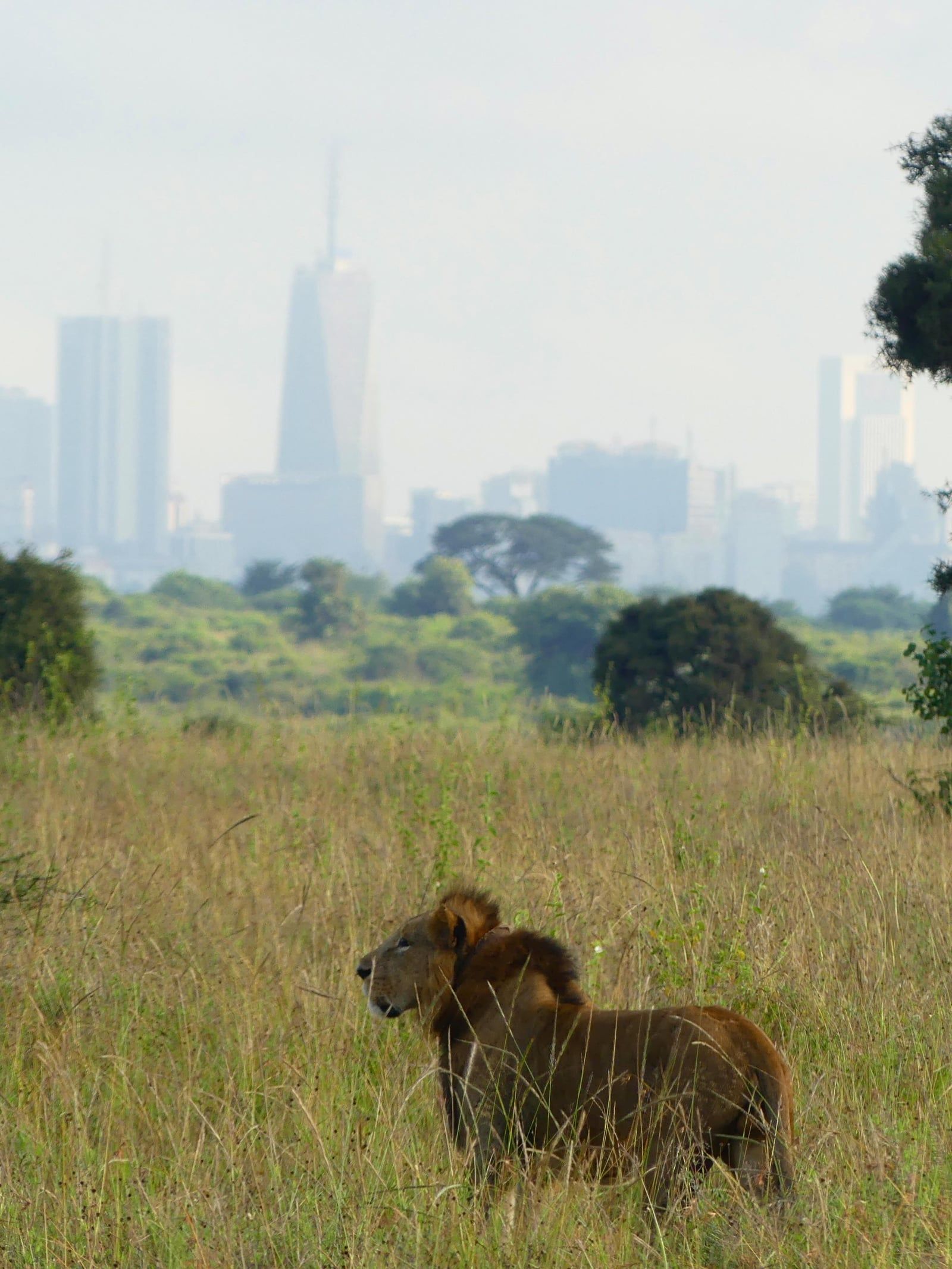
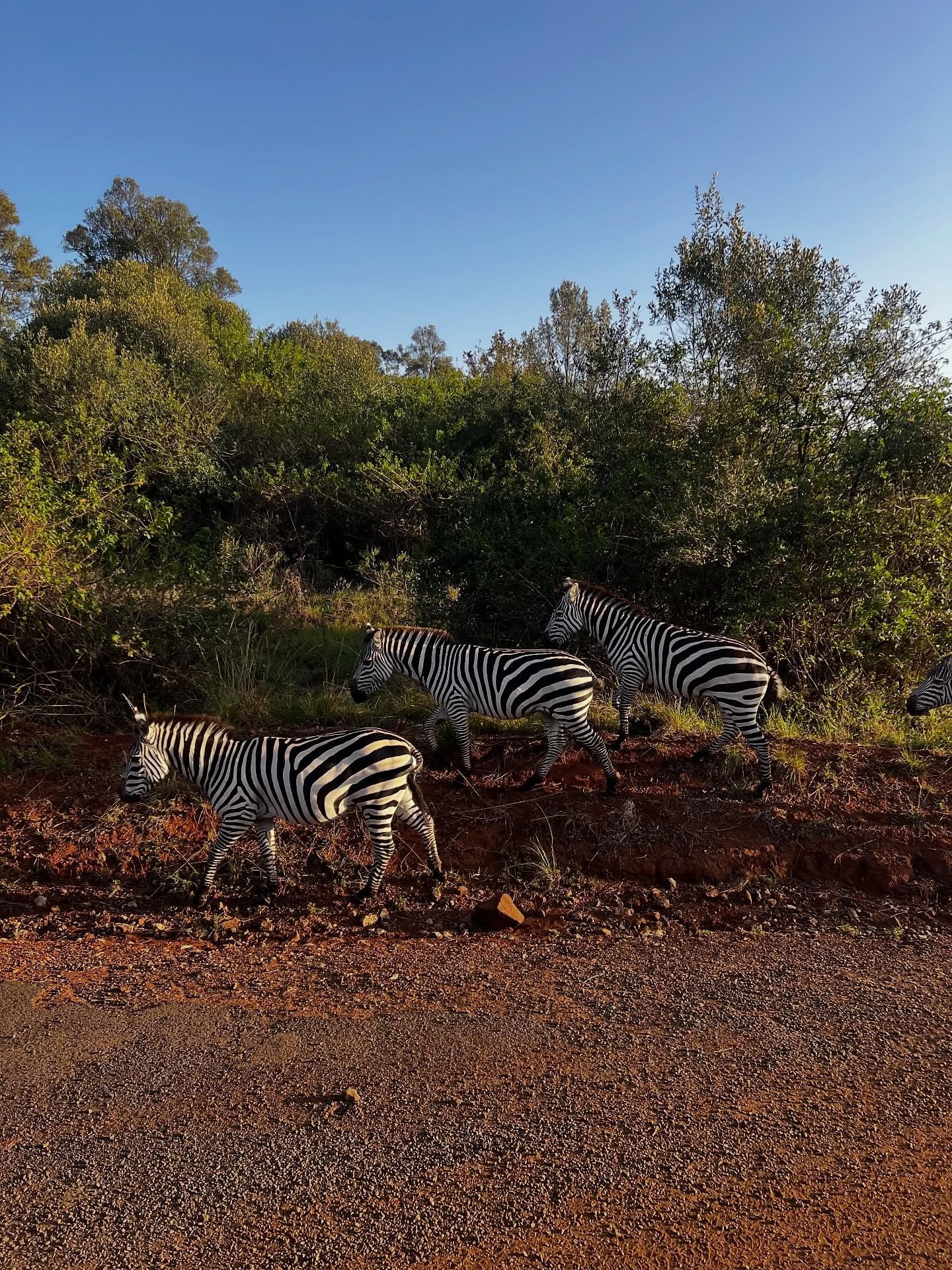
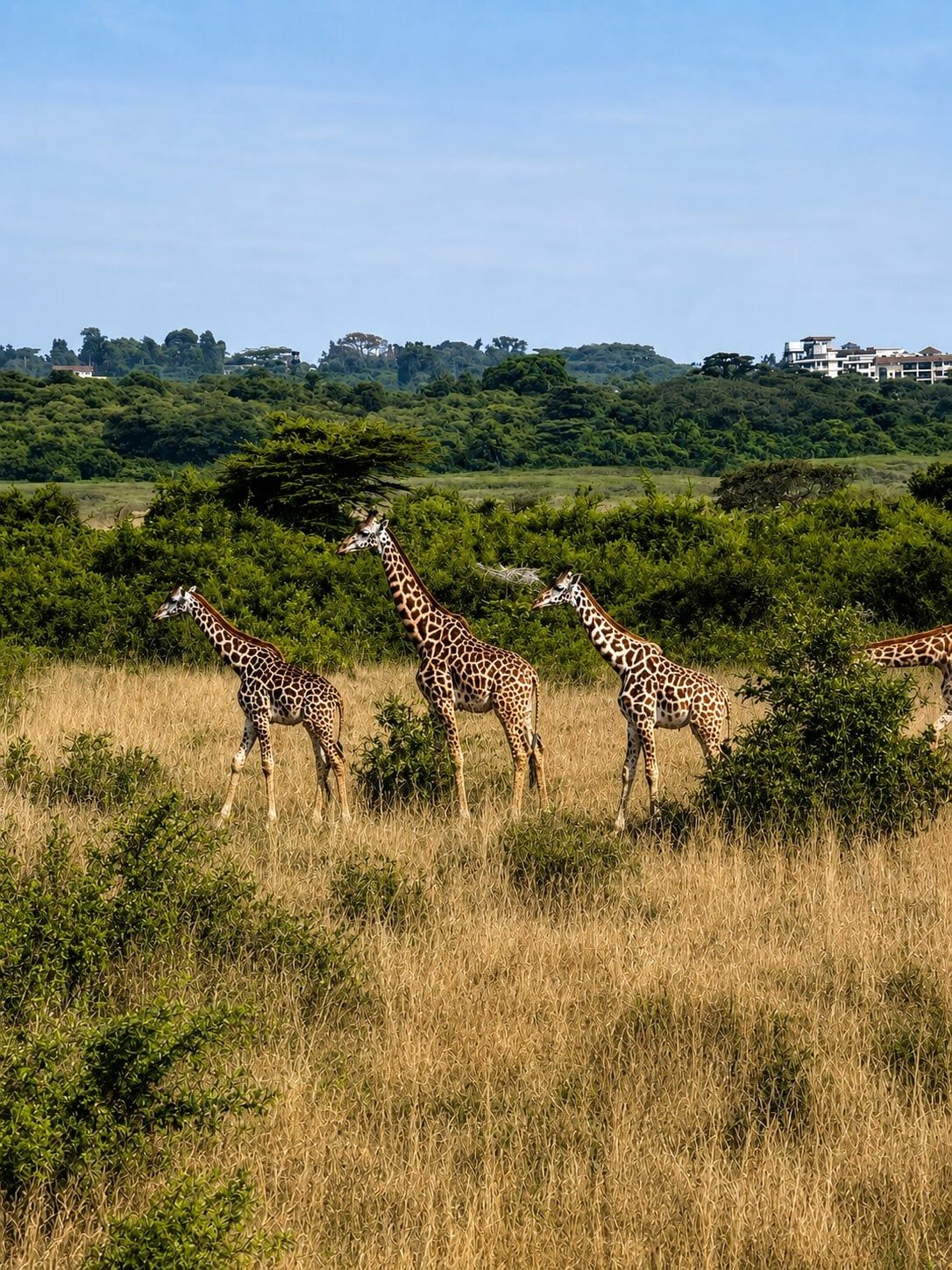
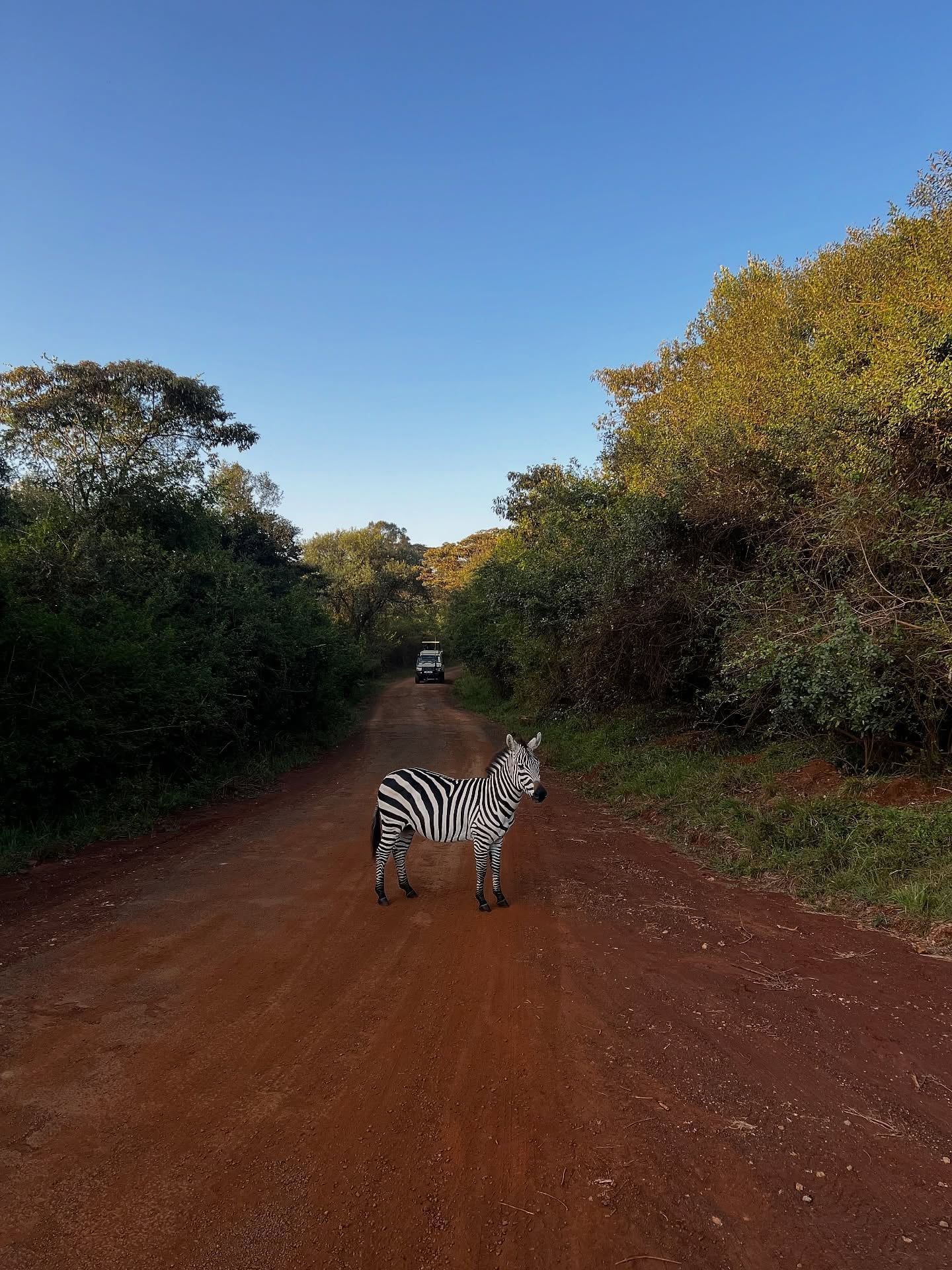
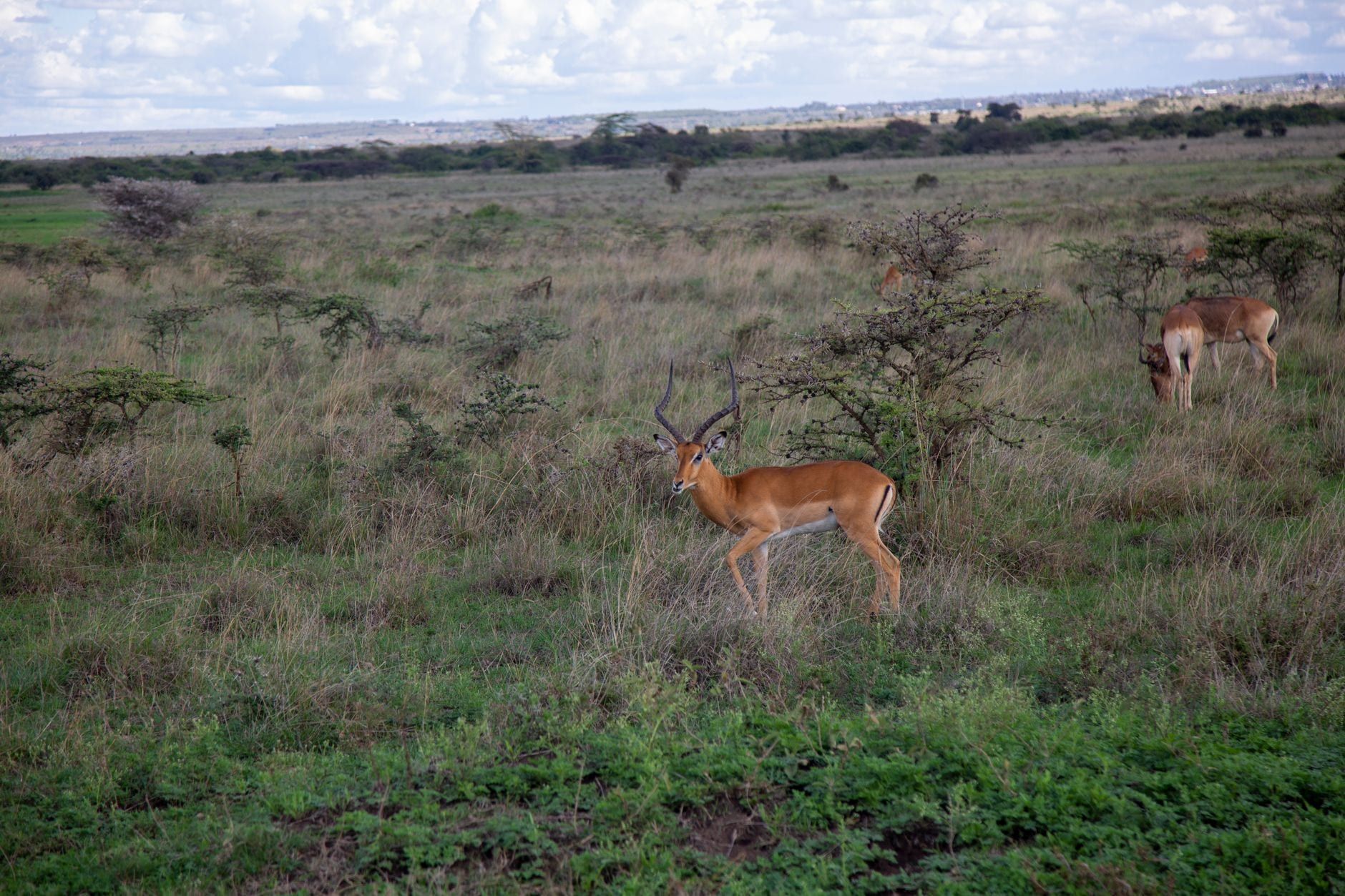
Just 10 kilometers from the central business district, over 40 lions and 100 black rhinos roam a 117-square-kilometer savanna. You'll watch zebras and buffalo graze with the capital's skyscrapers rising directly behind them.
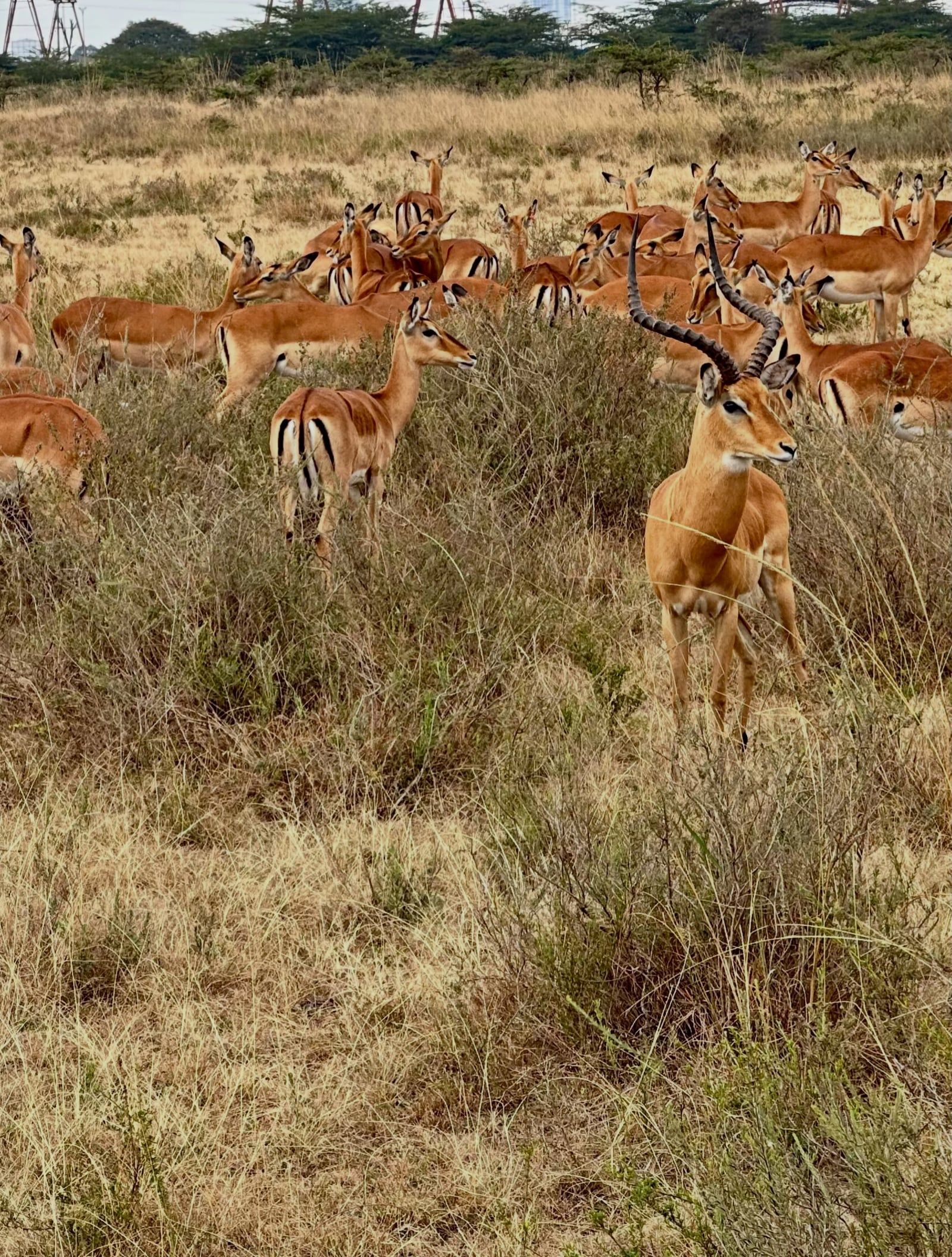
Find Guided ToursNairobi National Park covers 117 square kilometers of savanna just seven to ten kilometers south of Nairobi's Central Business District. You'll see grazing wildlife with the city skyline directly behind them. It's the only national park in the world located inside a capital city. The park sits at an elevation of 1,533 to 1,760 meters, fenced on three sides to separate the animals from the urban grid. The southern boundary remains open along the Mbagathi River. This lets wildlife migrate seasonally into the wider Athi-Kapiti plains.
The Kenya Wildlife Service manages the area. It is a major black rhino sanctuary nicknamed 'Kifaru Ark'—holding around 100 individuals in the grass and riverine forest patches. The IUCN categorizes it as a Lion Conservation Unit. Over 40 lions live here across three known prides: Kingfisher, Athi, and Mokoyet. You can find four of the Big Five, missing only elephants. Bird counts exceed 400 species.
Before 1946, this land was part of the colonial-era Southern Game Reserve. Maasai pastoralists grazed cattle alongside the zebras and gazelles. Author Karen Blixen once rode horses across these same plains. But wildlife numbers began dropping. Conservationist Mervyn Cowie returned to Kenya in 1932, saw the decline, and campaigned for a formal park system.
His push led to the park's gazettement in 1946. It became Kenya's first national park well before the country's independence. Since then, the park has been central to Kenya's black rhino conservation efforts amid 20th-century poaching pressures. The grounds also hold the Ivory Burning Site Monument, where Kenya publicly destroyed its elephant ivory stockpiles. Today, the park represents less than ten percent of the broader ecosystem. But it remains the most accessible place to see the region's predators.
Discover the full history and cultural significance on our About page.
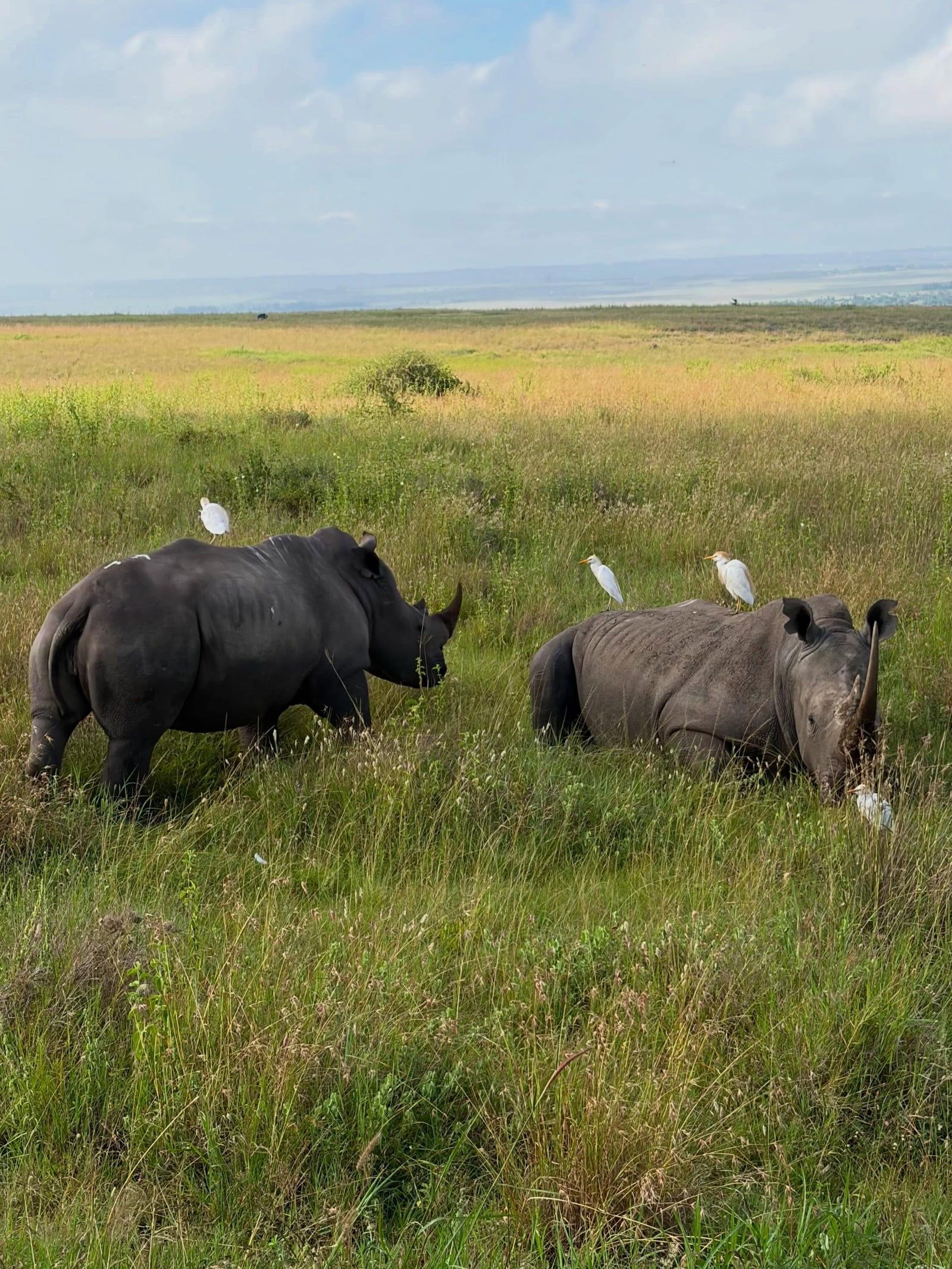
Spot black rhinos grazing with Nairobi's skyscrapers rising in the background. The park holds around 100 of these animals, earning it the nickname Kifaru Ark. It is one of the most reliable places in Africa to encounter them as they move between the open plains and forest edges.
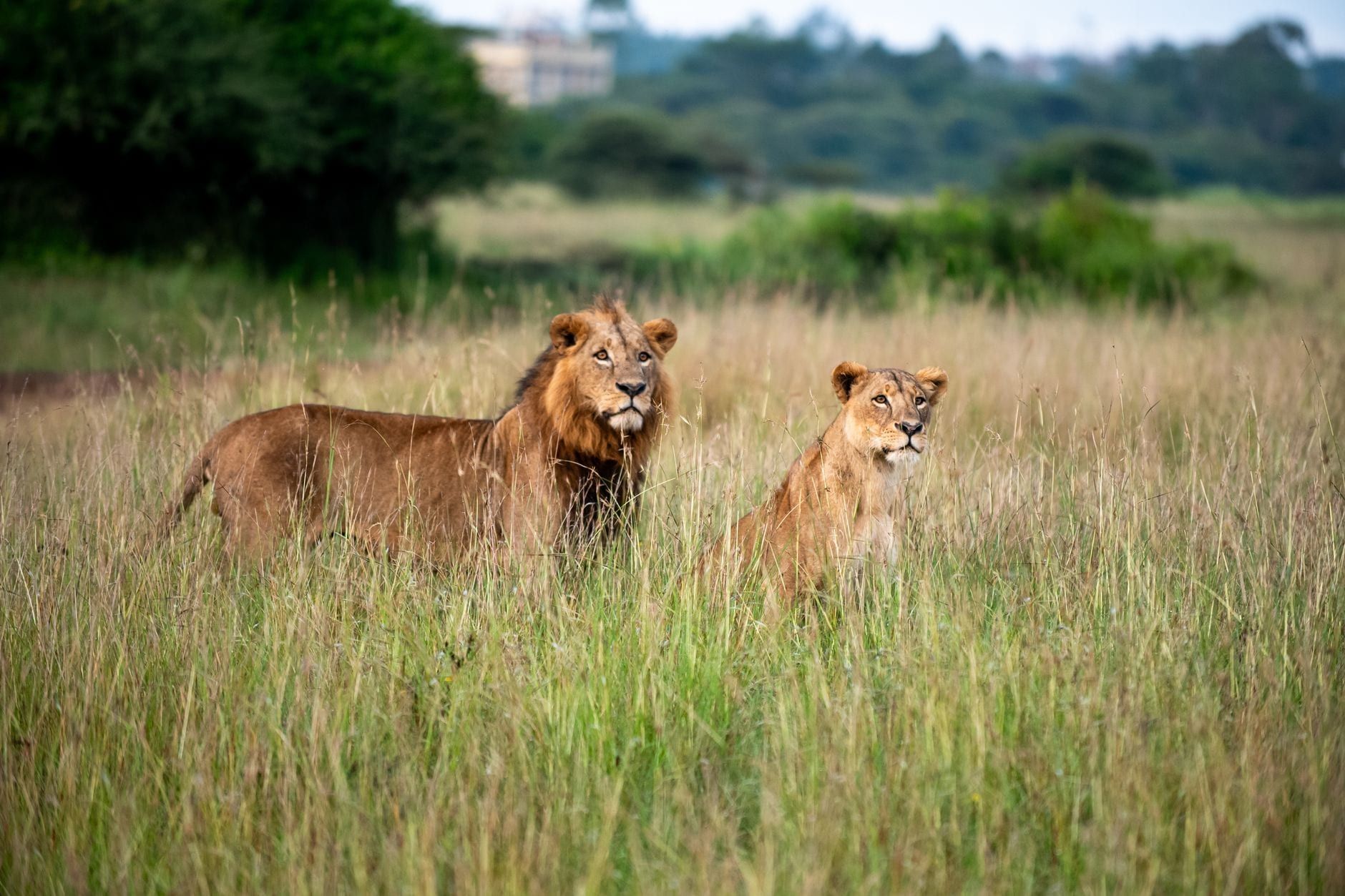
Over 40 lions roam this savanna. You can watch members of the Kingfisher, Athi, and Mokoyet prides lounging in the open grassland. Early morning game drives starting near the 6:00 AM gate opening offer the best chance to see them active before the heat pushes them into the shade.
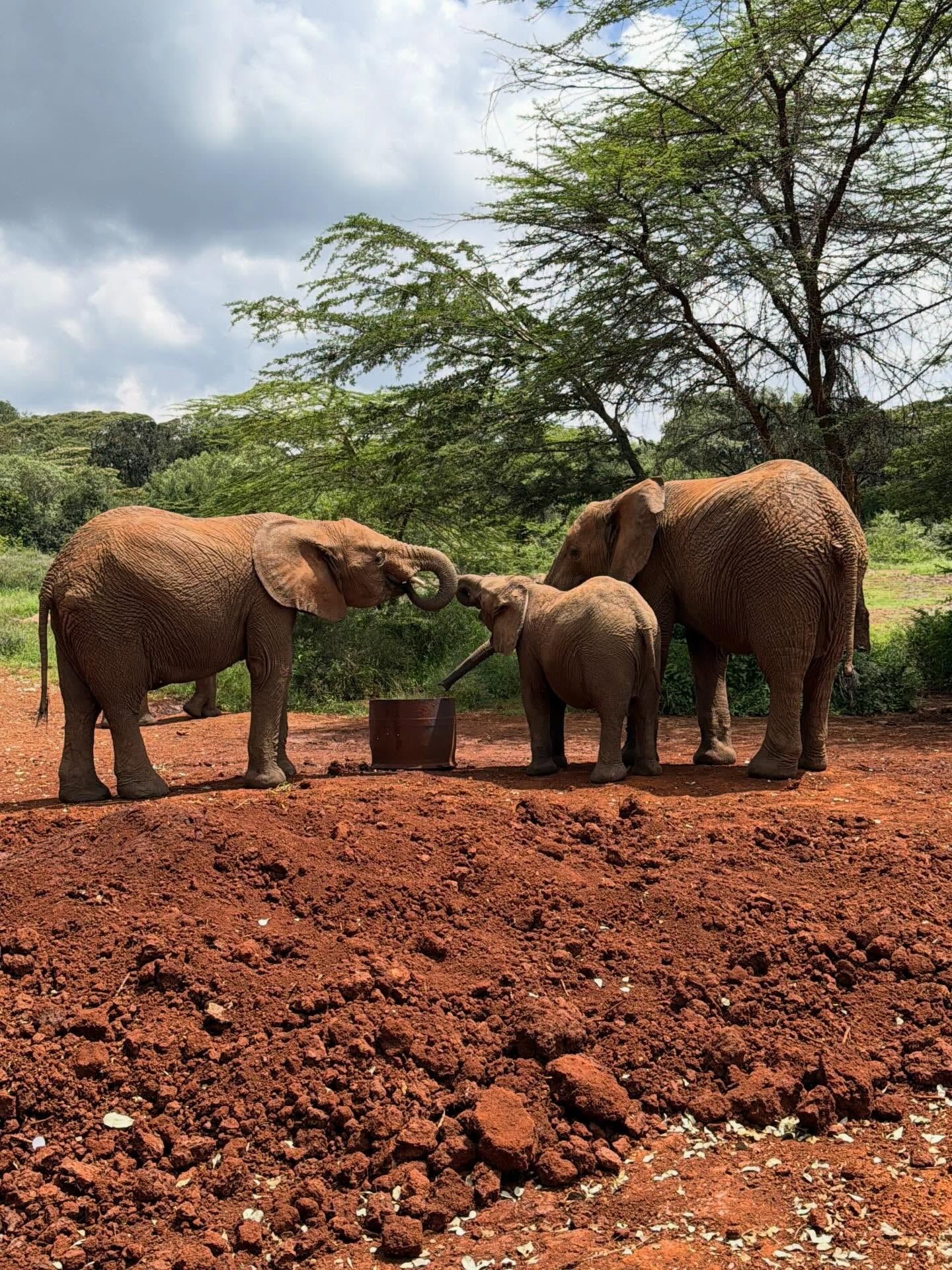
Time your drive to hit the David Sheldrick Wildlife Trust inside the park boundary at exactly 11:00 AM. For just one hour daily, you can watch keepers bring rescued baby elephants out to play in the mud and drink from giant bottles before their eventual return to wild herds.
Leave the 4x4 behind at the adjacent Nairobi Safari Walk. A raised wooden boardwalk takes you over recreated wetland and woodland habitats. It gives you an easy, walking-based look at white rhinos, bongo antelopes, and albino zebras without needing to navigate the main park's dirt roads.
Book a safari starting from $37, with hotel pickup and free cancellation up to 24 hours before departure.
Swipe to see more
 Free Cancellation 5h 30min
  Free Cancellation
  Free Cancellation 6h
  Free Cancellation 5h
  Free Cancellation
  Free Cancellation 8h
  Free Cancellation 8h
  Free Cancellation 7h
 Target the long dry season from July to October when wildlife clusters tightly around remaining water sources. Avoid the long rains from March to May, which turn dirt tracks to mud and scatter the animals.
The long rains hit, turning dirt roads into mud that complicates driving. Animals scatter across the Athi-Kapiti plains rather than clustering, making them much harder to spot under overcast skies.
Dry conditions take hold by July, forcing lions and black rhinos to gather around limited permanent water sources. This creates the highest concentration of animals and keeps the roads clear.
September and October close out the long dry season. Herds of wildebeest and zebra crowd the Mbagathi River boundary before dispersing. November transitions out of peak conditions but remains worthwhile.
The park remains open and accessible year-round. Without the heavy mud of the spring rains, you can still easily navigate a morning game drive to track the three resident lion prides.
Gates open daily from 6:00 AM to 6:00 PM, with the last entry allowed around 5:15 PM. Driving after hours is strictly prohibited unless you are staying at an overnight lodge inside the park boundaries.
| Category | Price |
|---|---|
| Non-Resident Adult | USD 80 |
| Non-Resident Child | Reduced rate (check KWS site) |
| Kenya Resident Adult | KES 1,350 |
| Kenya Resident Child | KES 675 |
| East Africa Citizen Adult | KES 1,000 |
| East Africa Citizen Child | KES 500 |
| Vehicle Entry (varies by seating capacity) | KES 300 to KES 5,000 |
Cash is rarely accepted at the gates. Buy your entry tickets in advance through the official KWS eCitizen 'KWSPay' online portal to skip delays. Standard entry covers game drives, but flying a drone requires explicit written authorization from KWS, the Ministry of Defence, and the Kenya Civil Aviation Authority.
For complete schedules and ticket prices, visit our Hours & Fees page.
The park's Main Gate sits 8-10 kilometers south of Nairobi's Central Business District. You can easily reach it by ride-hailing app, public minibus, or a pre-booked safari vehicle.
📍 Main Gate, Langata Road, Nairobi, Kenya
Uber and Bolt operate across Nairobi and drop you right at the Main Gate on Langata Road. Traffic heavily dictates your travel time here. Rush hour congestion along this route can easily double a standard 20-minute trip. Build in extra buffer time if you're trying to make the 6:00 AM gate opening.
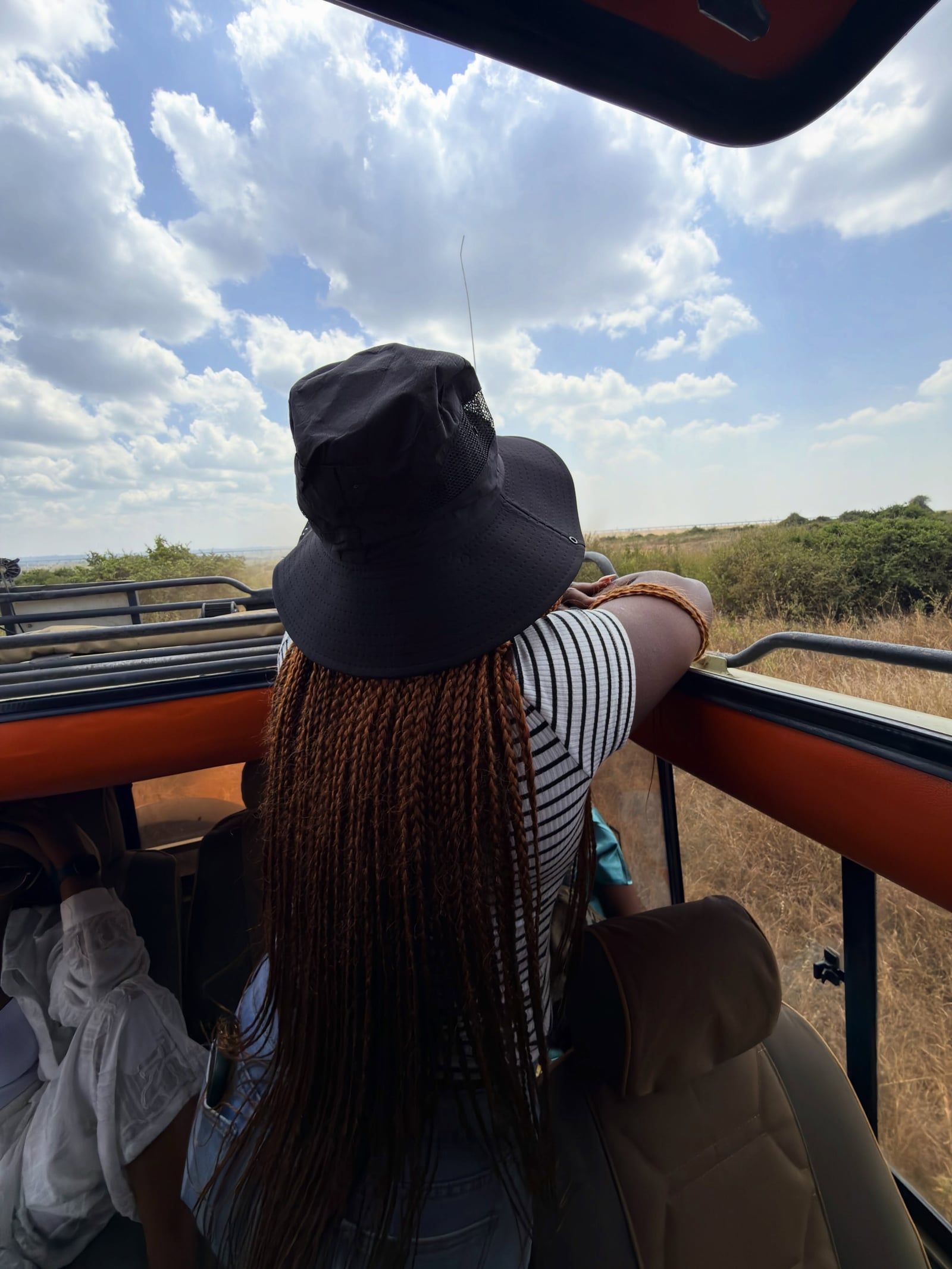
Most first-time visitors book an open-roof 4x4 or van with a licensed driver-guide. The operator picks you up directly from your hotel and handles the driving. This solves the problem of needing a vehicle to actually tour the park, since walking isn't permitted in most areas. The total price usually covers your entrance fees and the vehicle.
Budget travelers can catch a shared minibus from the Railways Bus Station or Nyamakima stage in the CBD. Look for a matatu heading toward Langata. This route takes longer because of waiting times and frequent stops. Take this option only if you're visiting the adjacent Safari Walk or Animal Orphanage. You'll still need a car to do a game drive.
The park fence runs less than five kilometers from the Jomo Kenyatta International Airport runway. A road transfer from either JKIA or Wilson Airport takes under half an hour. This short distance makes the park an easy stop if you've got a long layover. Charter flights to other Kenyan safari circuits leave directly from Wilson Airport.
For detailed transport options and routes, visit our Directions page.
Cash is heavily limited at the gate. Pay your entrance fee through the official KWS eCitizen KWSPay portal instead. Set up an account and buy tickets before leaving your hotel. It prevents annoying delays.
The gates open at 6:00 AM. Arriving then gives you the best chance to spot active lions from the Kingfisher or Athi prides before the heat sets in. But Langata Road traffic gets heavy fast. Add an extra buffer to your morning taxi ride from the CBD.
The David Sheldrick Wildlife Trust sits right inside the park. Here, keepers bottle-feed rescued baby elephants. But the window is incredibly tight. Public viewing happens only from 11:00 AM to 12:00 PM daily. Plan your game drive around it.
Kenya bans single-use plastics across all national parks. Pack a reusable water bottle and leave plastic bags behind. Drones are also illegal without military and aviation permits. Rangers will confiscate unauthorized equipment.
Standard 4x4 Land Cruisers have high steps. If you use a wheelchair, book a specialized vehicle with a boarding ramp through a tour operator. Private tours also let you skip walking sections. That makes the half-day trip easy for older visitors.
This is genuine wildlife habitat. Keep your doors closed and stay in the vehicle. You can only stretch your legs at designated spots like the Ivory Burning Site or Impala Observation Point. Stay at least 20 meters back from the animals.
Keepers bottle-feed orphaned baby elephants and supervise their daily mud baths here. You only have a one-hour window from 11:00 AM to noon to watch them play. Time your game drive around it.
Climb the elevated wooden platform to hand-feed endangered Rothschild giraffes at eye level. The center runs a dedicated breeding program for the subspecies. Some visitors even lean in for a kiss.
Walk a raised boardwalk through recreated wetland and forest habitats. It offers an easy, on-foot preview of white rhinos and albino zebras. This is a solid alternative if you lack the time for a full vehicle safari.
Read what travelers share about their experience visiting Nairobi National Park — from practical tips to personal highlights.
Planning advice, comparisons, and practical tips.
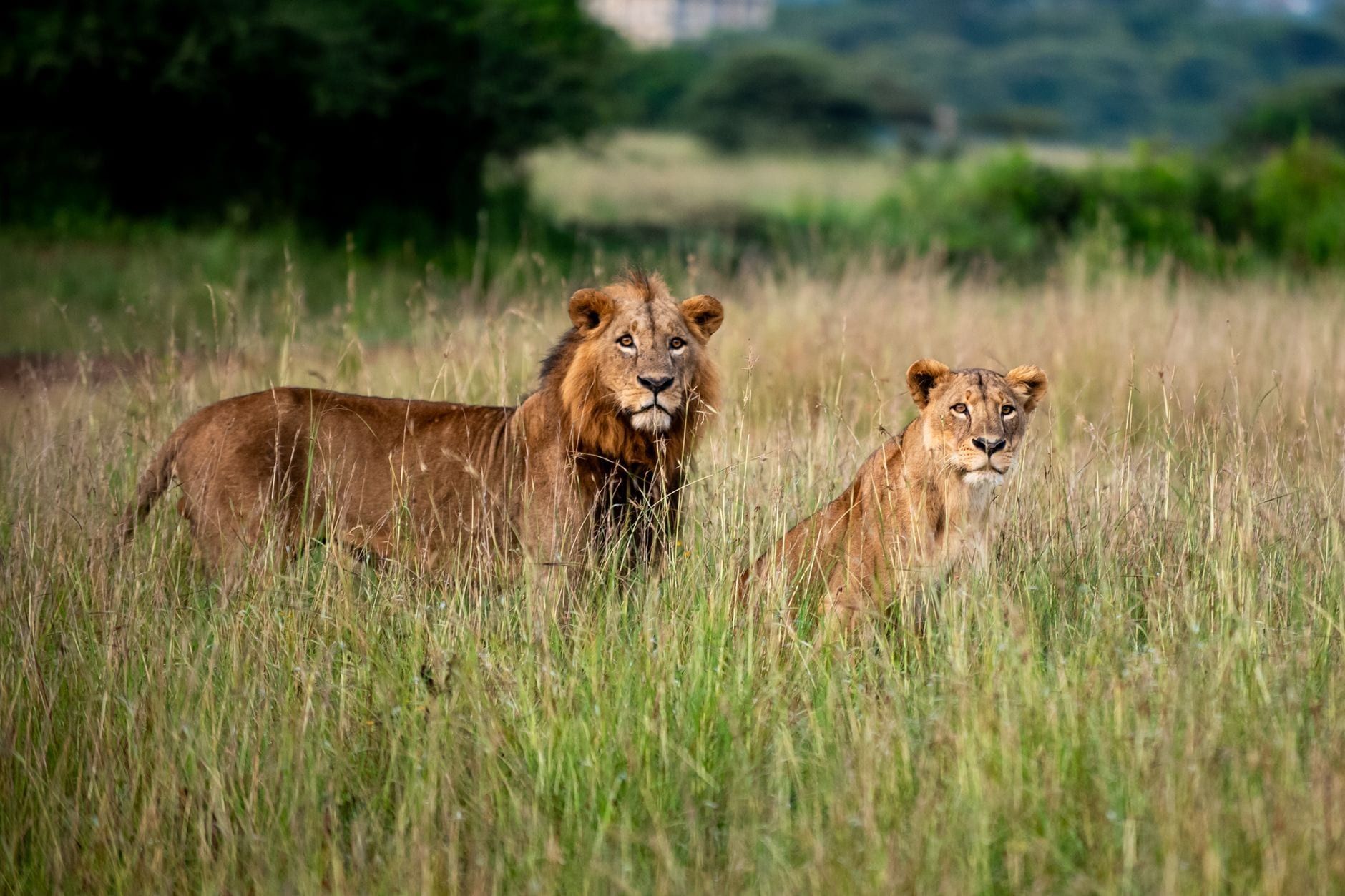
Nairobi National Park puts lions, black rhino, and giraffe against a skyline of glass towers, seven kilometers from Nairobi's CBD. It's the only…
Lions doze in golden grass with glass office towers rising behind them at Nairobi National Park, a 117-square-kilometer reserve just 7 km from the…
Nairobi National Park sits just 7-10 km from Nairobi's Central Business District, so the choice of where you sleep changes your trip more than it…
Non-resident adults pay USD 80, Kenya residents pay KES 1,350, and East Africa citizens pay KES 1,000. Vehicle entry costs an additional KES 300 to KES 5,000 depending on seating capacity.
Buy your tickets online through the official KWS eCitizen 'KWSPay' portal before you arrive. The park gates severely limit cash payments, making e-payment the standard method.
Gates open daily at 6:00 AM and close at 6:00 PM, with the last entry allowed around 5:15 PM. You can't drive inside the park outside these hours unless you sleep at a lodge within the boundary.
The Main Gate is on Langata Road, 8-10 km south of the CBD. An Uber or Bolt takes 20-40 minutes and costs USD 12-20. Most visitors just book a private safari vehicle with hotel pickup, since you'll need a car to do the actual game drive anyway.
A typical half-day game drive lasts 3-5 hours. Start right at the 6:00 AM gate opening to catch predators while temperatures are cool, finishing up by late morning. Adding the nearby Animal Orphanage or Safari Walk pushes the trip past 6 hours.
Wear neutral colors like khaki or green and dress in layers for the chilly 6:00 AM starts. Pack binoculars, a zoom lens, and a reusable water bottle. Leave all single-use plastic bags and bottles behind, as Kenya strictly bans them inside national parks.
The park isn't fully barrier-free. Standard 4x4 Land Cruisers have high steps, so wheelchair users must arrange a specialized vehicle with boarding ramps through a tour operator in advance. Some KWS public restrooms do feature accessible stalls.
The park holds four of the Big Five: lions, leopards, buffalo, and rhinos. Wild elephants don't live here. It's one of the best places in Africa to spot black rhinos, with around 100 individuals roaming the 117 km² area.
Browse verified tours with free cancellation and instant confirmation.
Find Tours


