About All Tours Safari ToursPrivate ToursHalf Day ToursElephant Orphanage Tours Directions Hours & Fees Guides
Find Tours 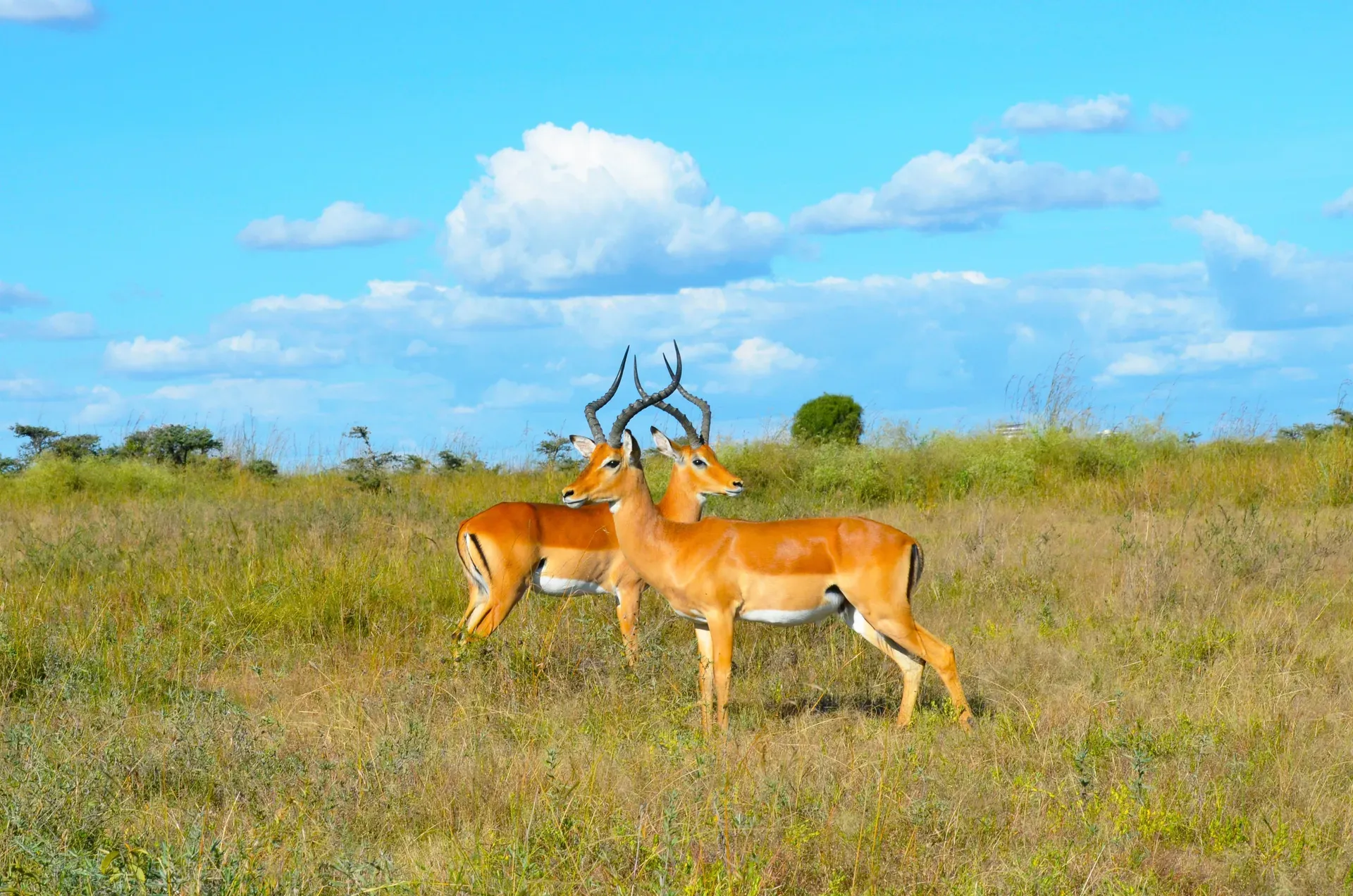
Nairobi National Park is a 117-square-kilometer savanna located just eight kilometers south of Kenya's capital. It is the only national park on earth situated within a city limit, holding over 40 lions and a major black rhino sanctuary.
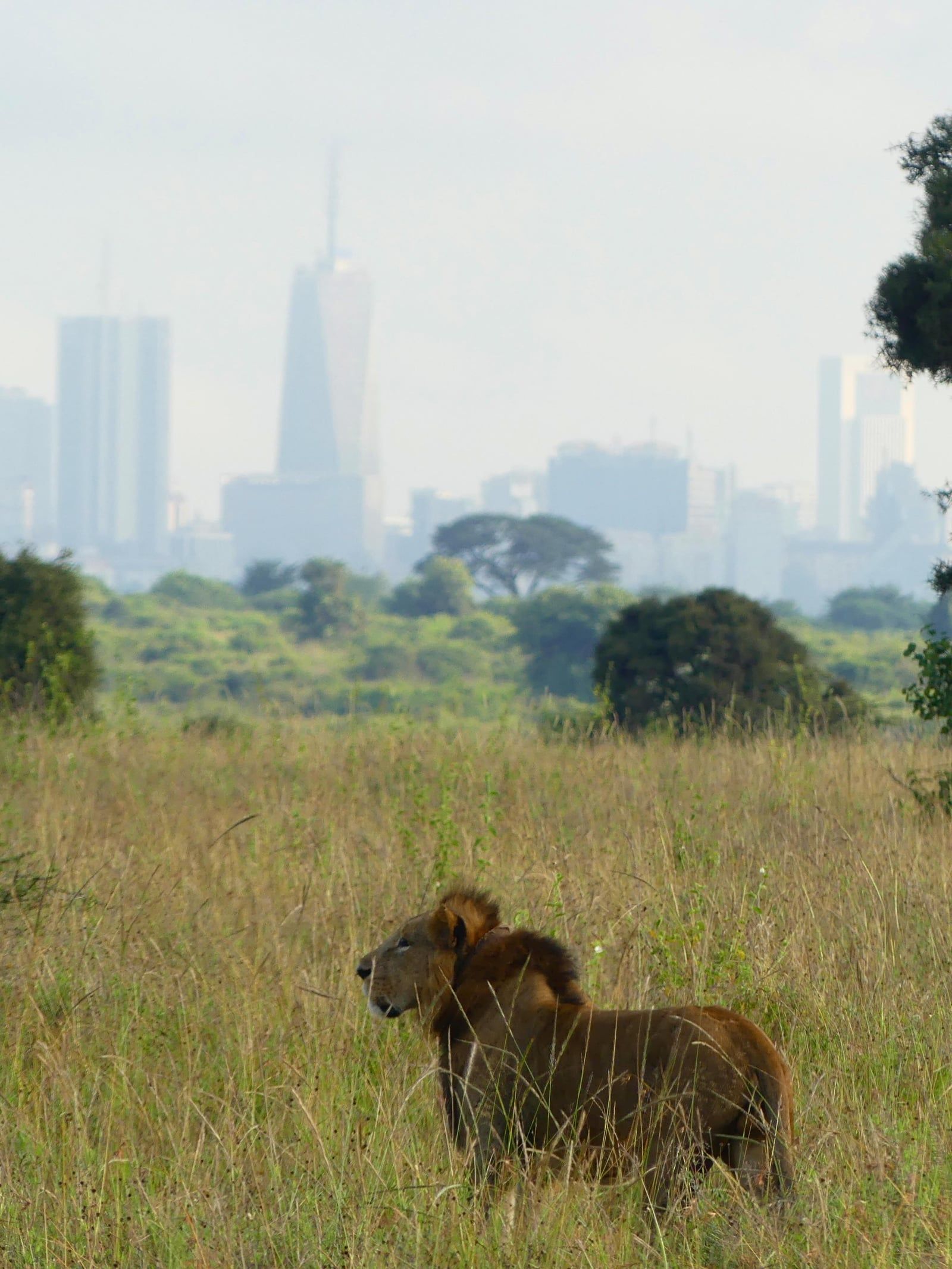
Nairobi National Park covers 117 square kilometers of dry transitional savanna right on the southern edge of Kenya's capital. The main gate sits on Langata Road, about eight kilometers from the Central Business District. Visitors watch wildlife graze with skyscrapers visible in the background. The Kenya Wildlife Service manages the land, billing it as the world's only wildlife capital. Entry costs USD 80 for non-resident adults, payable via the KWS eCitizen portal.
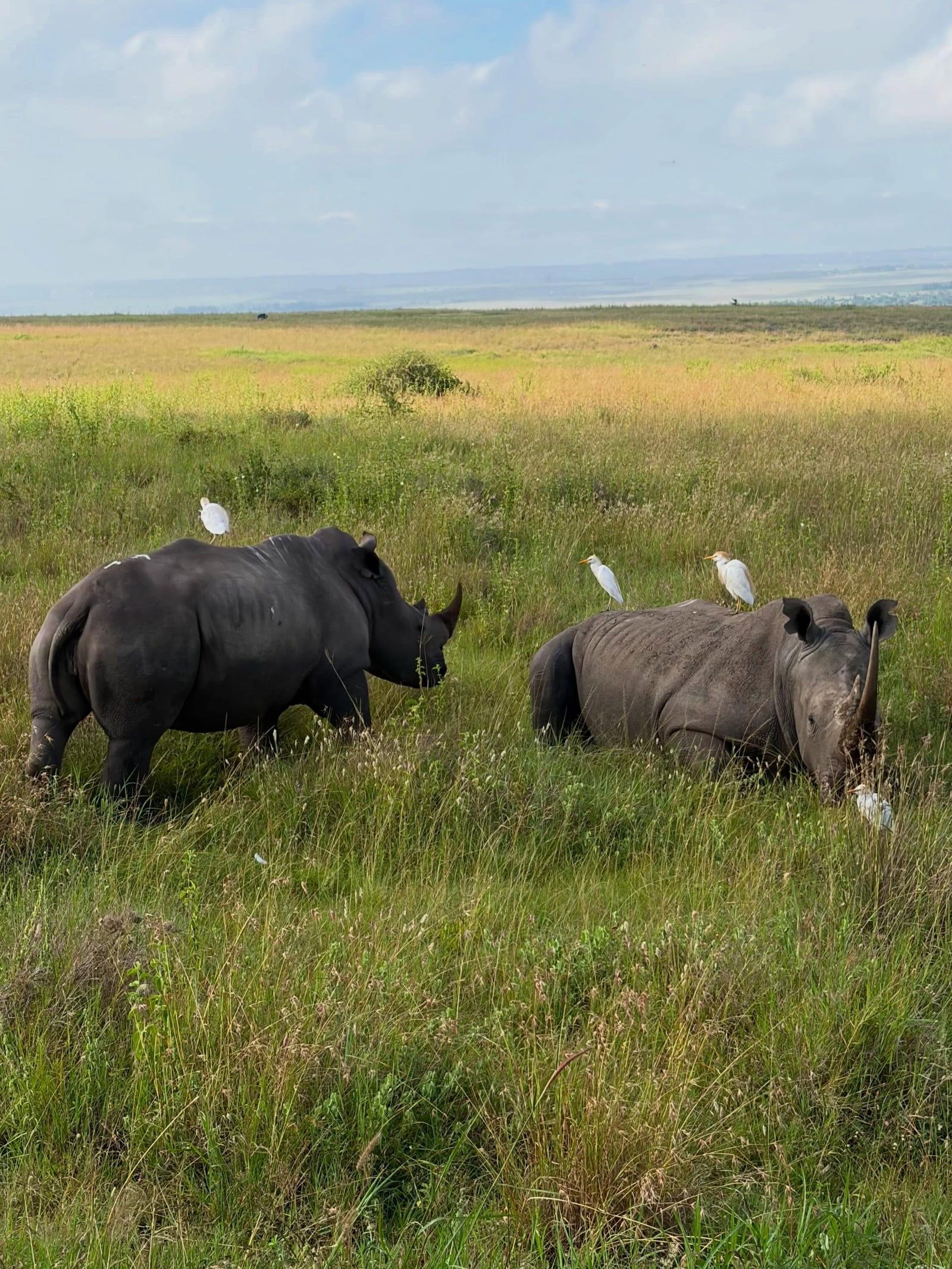
The park functions as a major black rhino sanctuary. Conservationists call it 'Kifaru Ark'—kifaru translates to rhino in Swahili. Around 100 black rhinos live here, making it one of the most reliable places in Africa to encounter the species. The IUCN Cat Specialist Group also recognizes the area as a Lion Conservation Unit. Over 40 lions roam the plains, split into three known prides: Kingfisher, Athi, and Mokoyet.
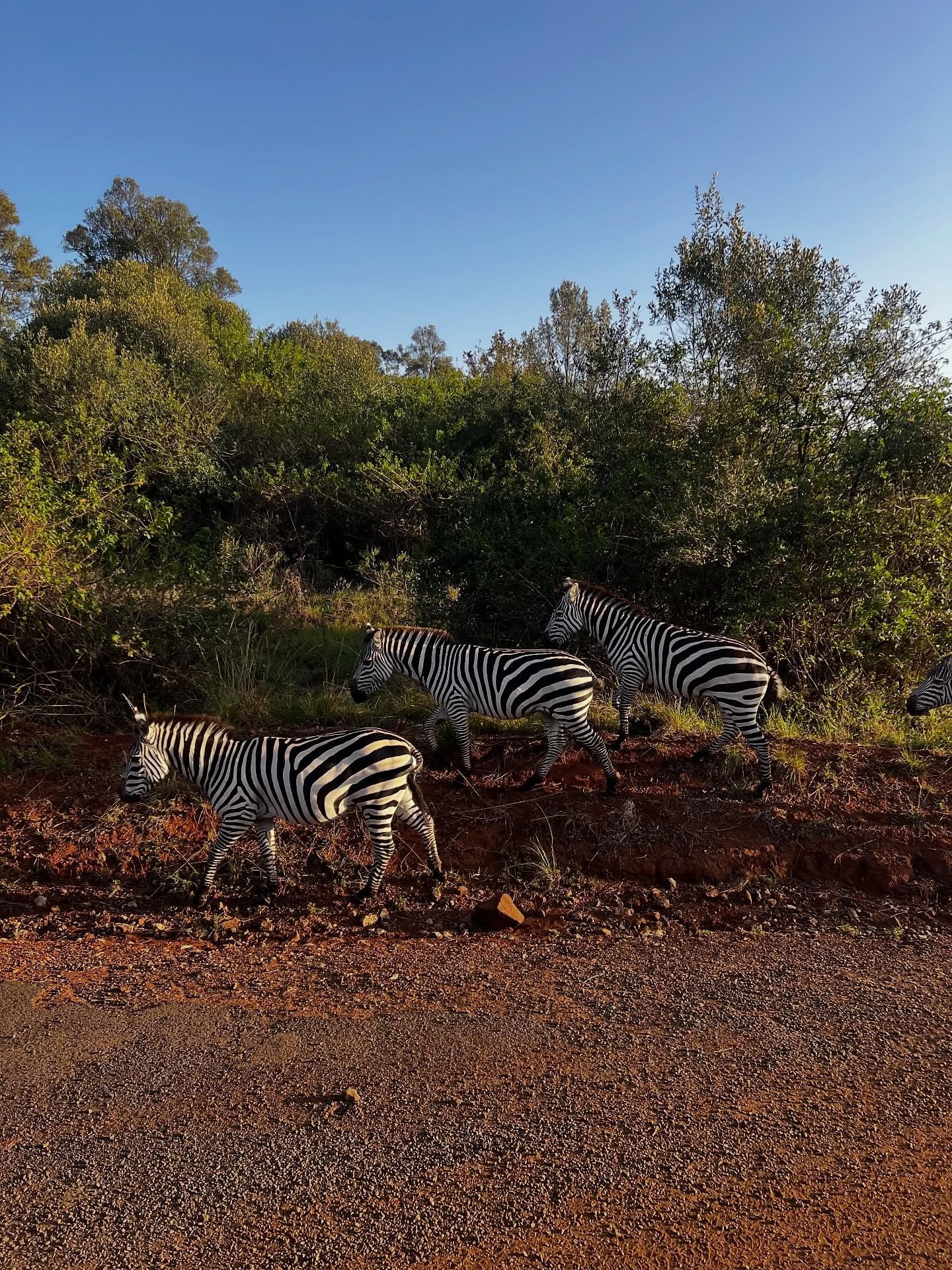
You'll find four of the Big Five inside the boundary. Lions, leopards, buffalo, and both black and white rhinos inhabit the grass plains and acacia bush. Wild elephants don't live in the park. Birders record up to 520 species here, including secretary birds and grey-crowned cranes. The southern boundary follows the Mbagathi River and remains unfenced. This open border allows wildebeest and zebra to migrate seasonally between the park and the Kitengela Conservation Area.
The Athi plains originally functioned as the colonial-era Southern Game Reserve. Maasai pastoralists grazed their cattle alongside wild herds of zebra and gazelle. In the early 20th century, author Karen Blixen rode horses through this exact landscape, a period she later detailed in her writing. But the wildlife population dropped sharply as Nairobi expanded.
Conservationist Mervyn Cowie returned to Kenya in 1932 and noticed the dwindling game numbers. He launched a campaign for a formal national park system to protect the remaining herds. His efforts succeeded in 1946 when the colonial government gazetted Nairobi National Park. It became Kenya's first national park, established well before the country gained independence.
During the late 20th century, severe poaching across East Africa threatened the black rhino with extinction. The park took on a new function as a heavily guarded sanctuary. KWS relocated rhinos from vulnerable areas into this fenced, patrolled zone. The population stabilized and eventually grew, turning the park into a highly successful breeding ground. In 1989, Kenyan President Daniel arap Moi chose a site inside the park to publicly burn 12 tons of stockpiled elephant ivory. The Ivory Burning Site Monument now marks the location of that anti-poaching statement.
Urban development continues to press against the park's perimeter. The southern boundary remains open to the Athi-Kapiti plains, though land subdivision threatens this migration corridor. In April 2025, a lion crossed the Mbagathi River into a nearby residential compound and killed a 14-year-old girl. The incident prompted renewed debates about human-wildlife conflict along the unfenced border. KWS maintains daily patrols to monitor predator movements and keep the lions inside the protected zone.
The park sits at an elevation of 1,533 to 1,760 meters above sea level. It occupies less than 10 percent of the broader Athi-Kapiti ecosystem. A chain-link and electric fence secures the northern, eastern, and western perimeters where the land meets Nairobi's urban sprawl. The southern edge relies on the Mbagathi River as a natural boundary.
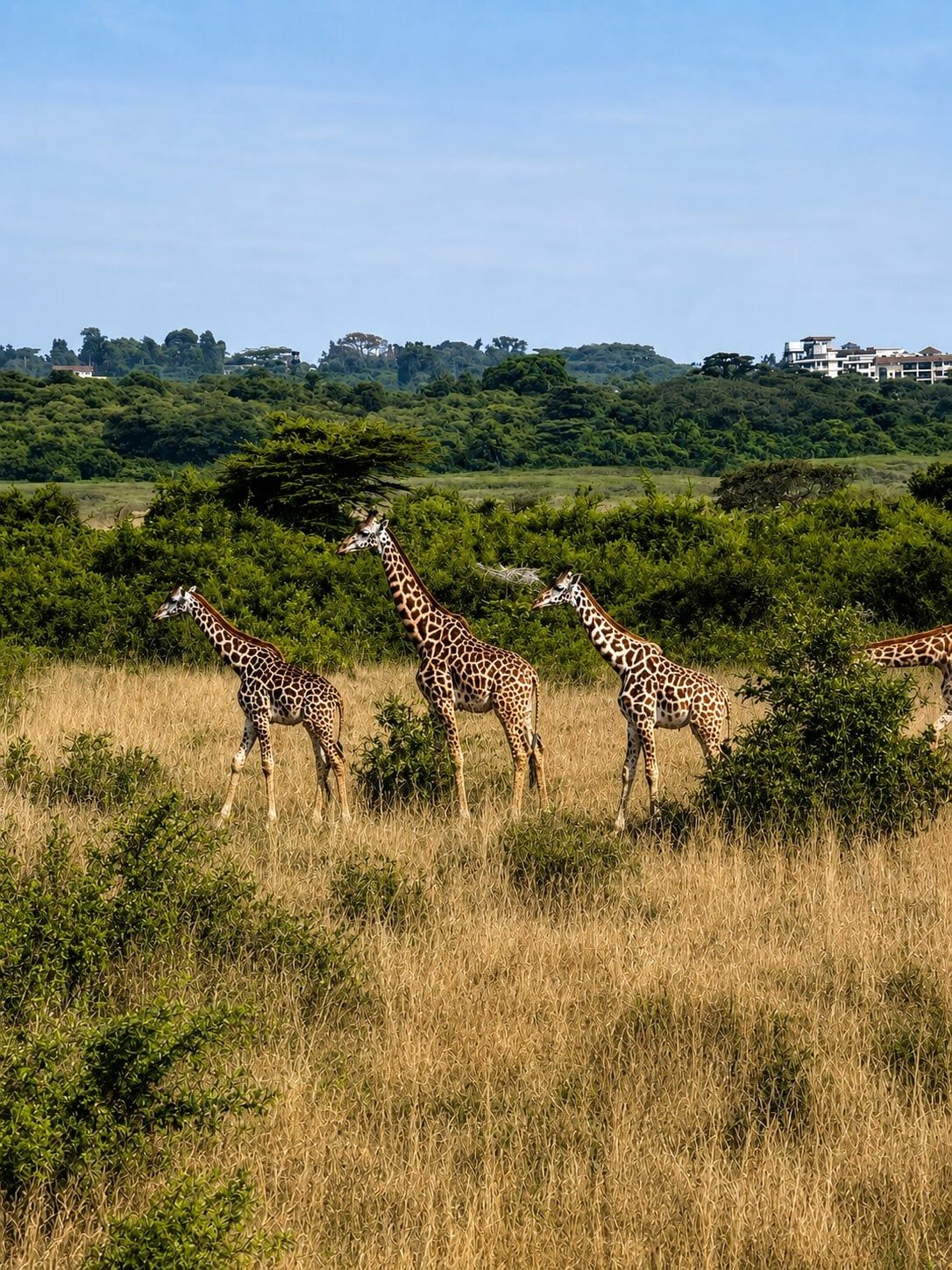
Dry transitional savanna dominates the terrain. Open grass plains stretch across the central and southern sections, broken by scattered acacia bushes. Deep rocky valleys cut through the landscape, providing cover for leopards and hyenas. Seasonal rivers and man-made dams hold water during the dry months from July to October. These water sources dictate animal movements. When the rains stop, wildlife congregates heavily around the dams. That's the best time to book a game drive.
Patches of dense riverine forest grow along the Mbagathi River. This shaded habitat supports different species than the open plains, including bushbuck and varied birdlife. Standard 4x4 Land Cruisers navigate a network of dirt tracks through these zones. The speed limit stays at 40 km/h to prevent collisions. During the long rains from March to May, the black cotton soil turns into thick mud. Vehicles frequently get stuck, and the wildlife disperses over a much wider area. Skip the muddy tracks in April if you want reliable sightings.
Nairobi National Park shapes how Kenya presents its conservation identity to the world. The Ivory Burning Site Monument is a physical marker of the country's zero-tolerance policy on the wildlife trade. By destroying 12 tons of stockpiled ivory in 1989, Kenyan President Daniel arap Moi shifted the global conversation on elephant poaching. The ashes remain at the picnic site today.
The park also serves as a daily educational tool for Nairobi residents. The adjacent Nairobi Safari Walk and Animal Orphanage introduce thousands of Kenyan schoolchildren to native wildlife each year. For many urban students, a school trip to the Safari Walk's raised wooden boardwalk is their first encounter with a white rhino or a bongo antelope. The David Sheldrick Wildlife Trust operates within the park boundary, opening for one hour daily to let visitors watch keepers bottle-feed orphaned baby elephants.
The land retains historical ties to the Maasai people, who historically shared the Athi plains with the wildlife. While the park itself is now a strictly protected KWS zone, the open southern boundary relies on the cooperation of local landowners in the Kitengela area. The survival of the seasonal migration depends entirely on these communities keeping their land open for passing wildebeest and zebra. Nearby, the Bomas of Kenya cultural center preserves the traditional homesteads, dance, and music of Kenya's various ethnic communities. This site offers a cultural counterpoint to the wildlife focus.
The park holds around 100 black rhinos, making it one of Africa's most successful sanctuaries for the species.
Over 40 lions live in the park, organized into the Kingfisher, Athi, and Mokoyet prides.
Kenya burned 12 tons of stockpiled elephant ivory here in 1989 to protest the global wildlife trade.
The park has four of the Big Five, but wild elephants require more space and do not live within the boundary.
The runway of Jomo Kenyatta International Airport sits less than five kilometers from the park fence.
The long grass makes this one of the most reliable places in Kenya to spot the elusive serval cat.
The David Sheldrick Wildlife Trust operates inside the park and opens to the public for just one hour daily.
Non-resident adults pay USD 80, Kenya resident adults pay KES 1,350, and East Africa citizen adults pay KES 1,000. Vehicle entry fees range from KES 300 to KES 5,000 depending on seating capacity. All fees are paid via the KWS eCitizen online portal.
The park gates open daily at 6:00 AM and close at 6:00 PM. Last entry is usually around 5:15 PM. Driving inside the park outside these hours is prohibited unless you are staying overnight at a lodge within the boundary.
You can see four of the Big Five: lions, leopards, buffalo, and both black and white rhinos. Wild elephants do not live in the park. You can only see elephants at the David Sheldrick Wildlife Trust orphanage located inside the park limits.
The Main Gate on Langata Road is 8-10 km from the CBD. An Uber or Bolt takes 20-40 minutes and costs USD 12-20. Budget travelers can take a matatu from Railways Bus Station for about KES 600.
Most visitors spend three to five hours on a half-day game drive, usually starting at 6:00 AM. Full-day visits that include the nearby Animal Orphanage or Safari Walk take six or more hours.
The park is safe as long as you remain inside a closed vehicle. Dangerous predators roam freely. Human-wildlife conflict occasionally happens outside the unfenced southern border, where a lion killed a teenager in April 2025.
The long dry season from July to October is best. Animals gather around permanent water sources like dams, making them easier to spot. The dirt tracks are also clear of the thick mud that plagues the park during the rainy season.
No self-guided walking safaris are permitted in the main game-viewing areas. You must be inside a vehicle. If you don't have a car, the adjacent Nairobi Safari Walk offers a raised boardwalk experience on foot.
Drones are strictly banned throughout the park. You need explicit written authorization from KWS, the Ministry of Defence, and the Kenya Civil Aviation Authority to fly one. Unauthorized drones are routinely confiscated.
Over 40 lions live in the park. They form three distinct groups known as the Kingfisher, Athi, and Mokoyet prides. The IUCN Cat Specialist Group recognizes the park as an official Lion Conservation Unit.
Browse verified tours with free cancellation and instant confirmation.
Find Tours