About All ToursSafari ToursPrivate ToursHalf Day ToursElephant Orphanage Tours Directions Hours & Fees Guides
Find Tours 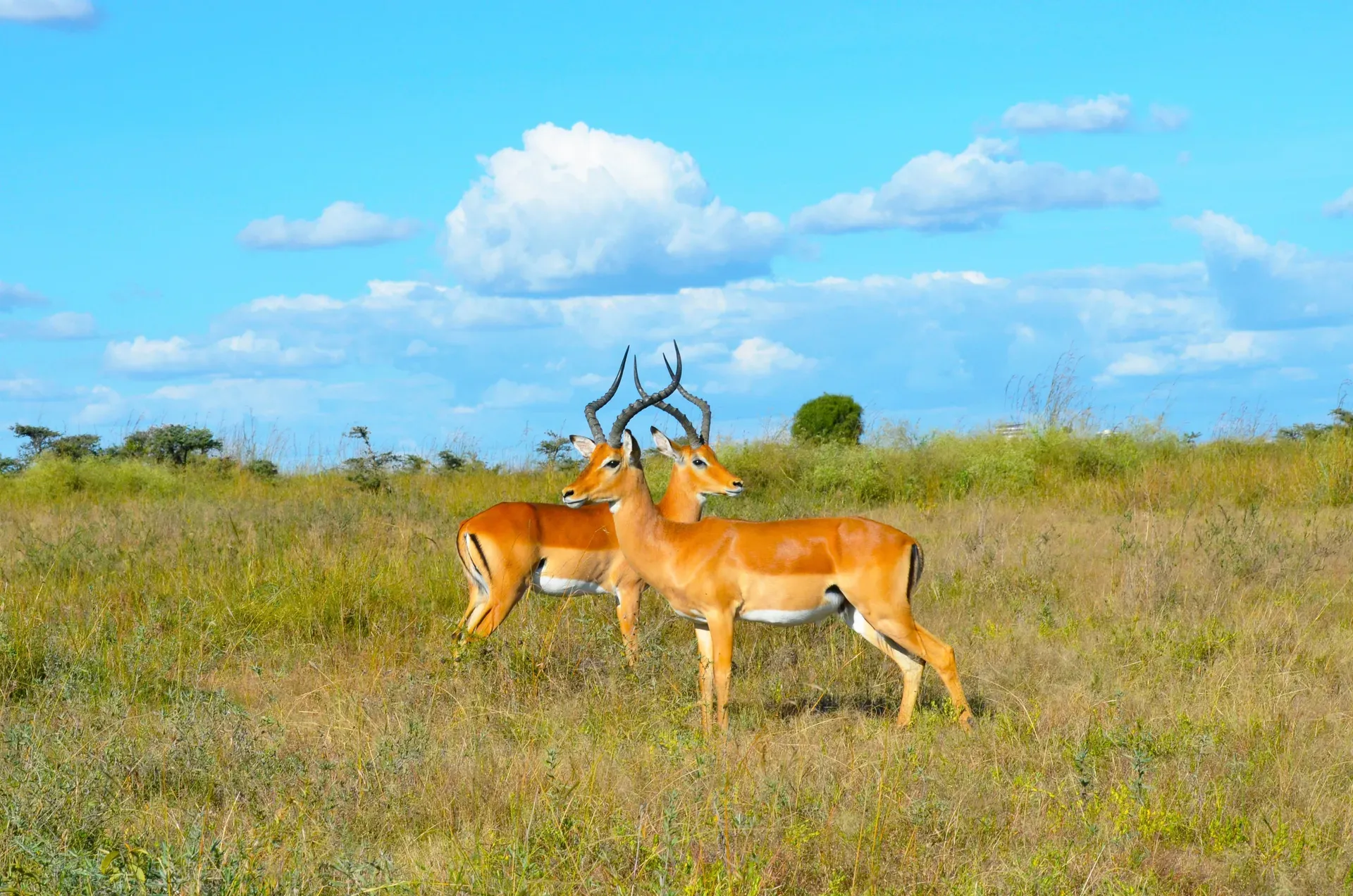
Explore the world's only wildlife park located within a capital city. Choose from half-day game drives or full-day circuits that include the Giraffe Centre and Elephant Orphanage.
 Free Cancellation
 Spot rhinos and lions against a city skyline on this half-day guided game drive through Nairobi National Park.
 Free Cancellation
 See black rhinos and lions against a city skyline on this early morning safari from your Nairobi hotel.
 Free Cancellation
 Track rhinos in Nairobi National Park and visit the Giraffe Center in a private safari van with a pop-up roof.
 Free Cancellation
 Spot lions and rhinos in Nairobi National Park then hand-feed endangered Rothschild giraffes at the Giraffe Centre.
 Free Cancellation
 Track lions in Nairobi National Park and feed Rothschild's giraffes on this single-day city safari.
 Free Cancellation
 Spot lions in the morning and feed giraffes by afternoon on this four-stop Nairobi city circuit.
 Free Cancellation
 See wild lions and black rhinos against a city skyline in the world's only capital-city national park.
 Free Cancellation
 4-hour game drive through Nairobi National Park to see lions and rhinos, with hotel pickup and drop-off.
 Free Cancellation
 See black rhinos and lions against the city skyline on a game drive through Nairobi National Park.
 Free Cancellation
 Spot lions and black rhinos on a four-hour safari seven kilometers from Nairobi’s city center.
Read what travelers share about their experience visiting Nairobi National Park — from practical tips to personal highlights.
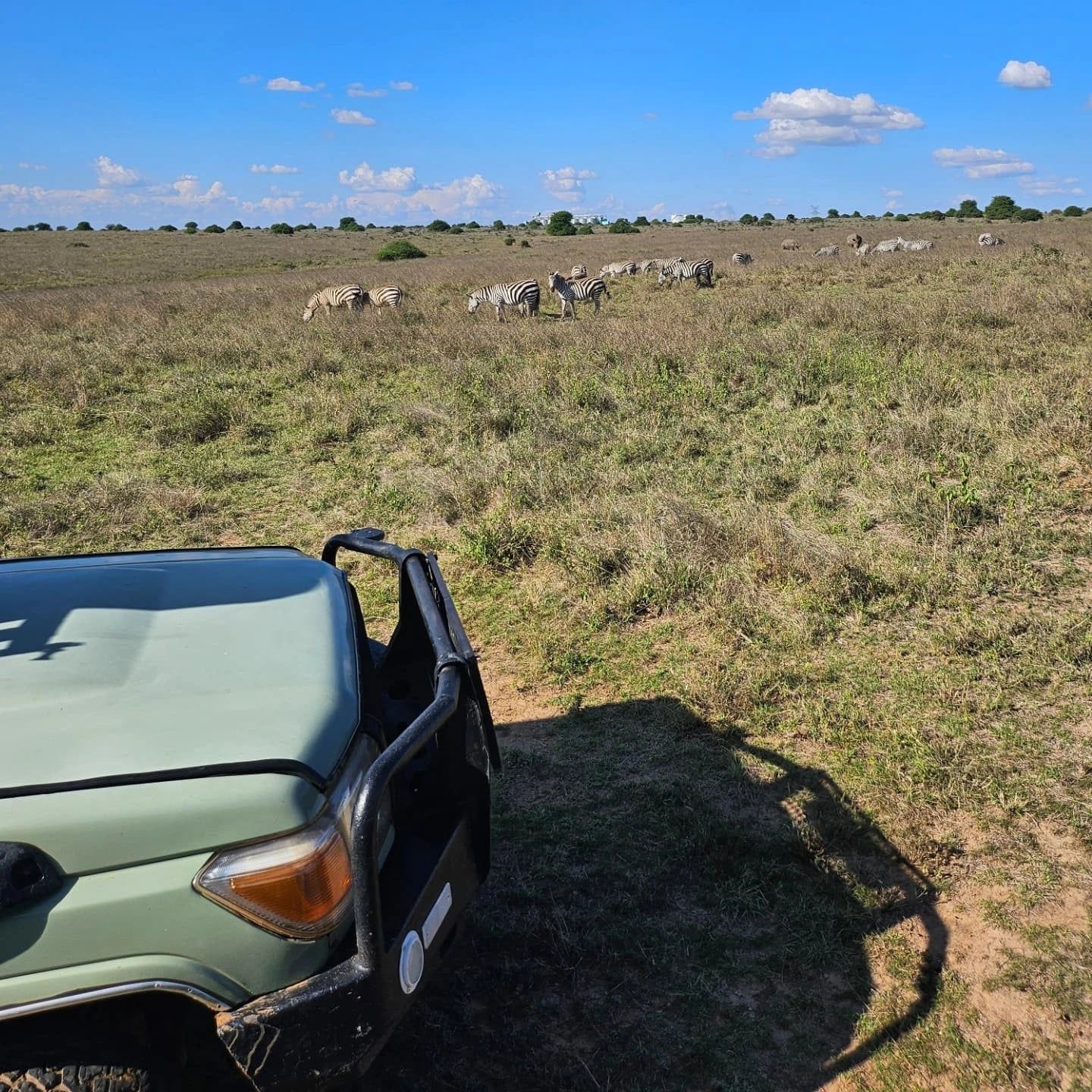
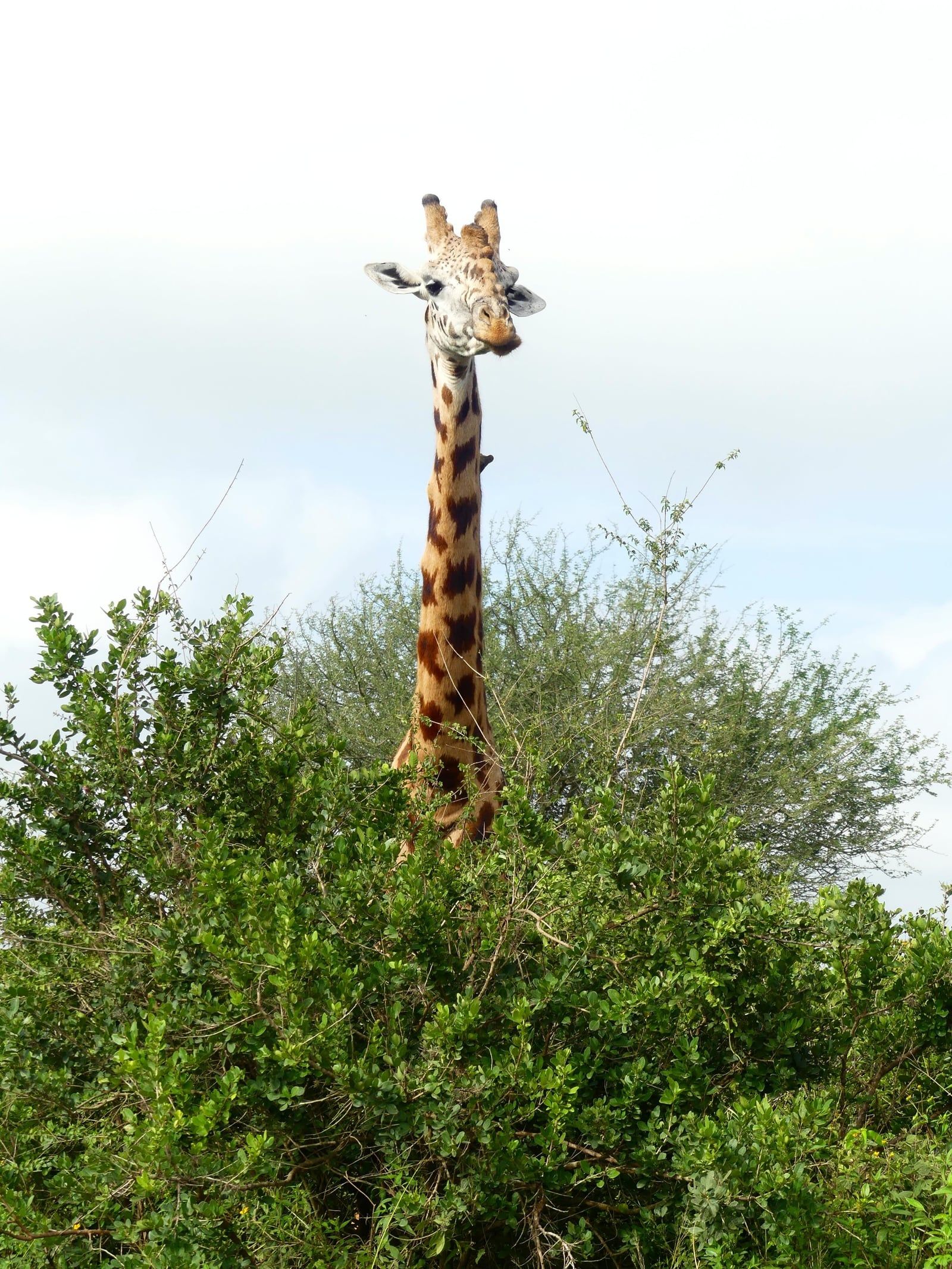
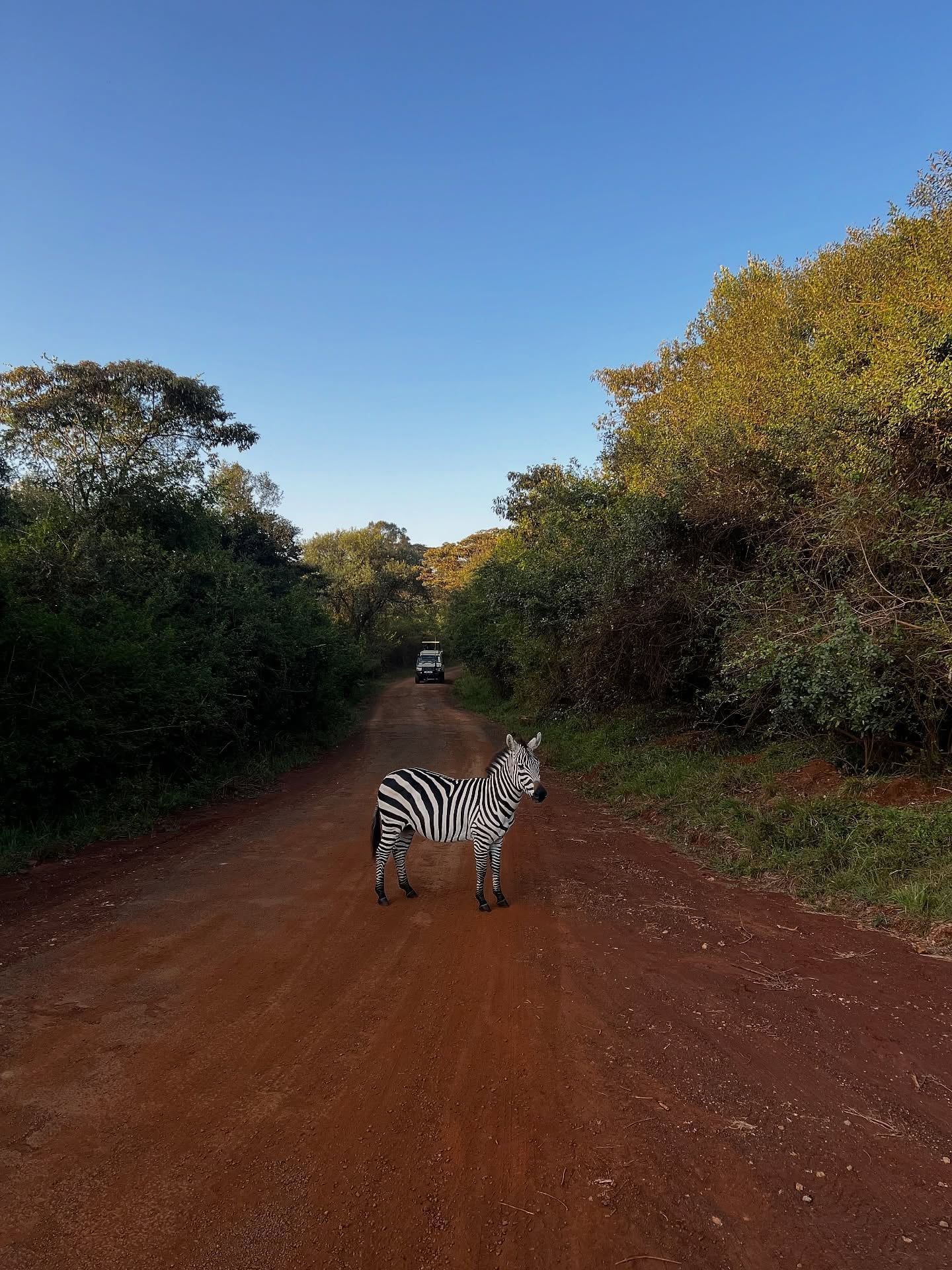
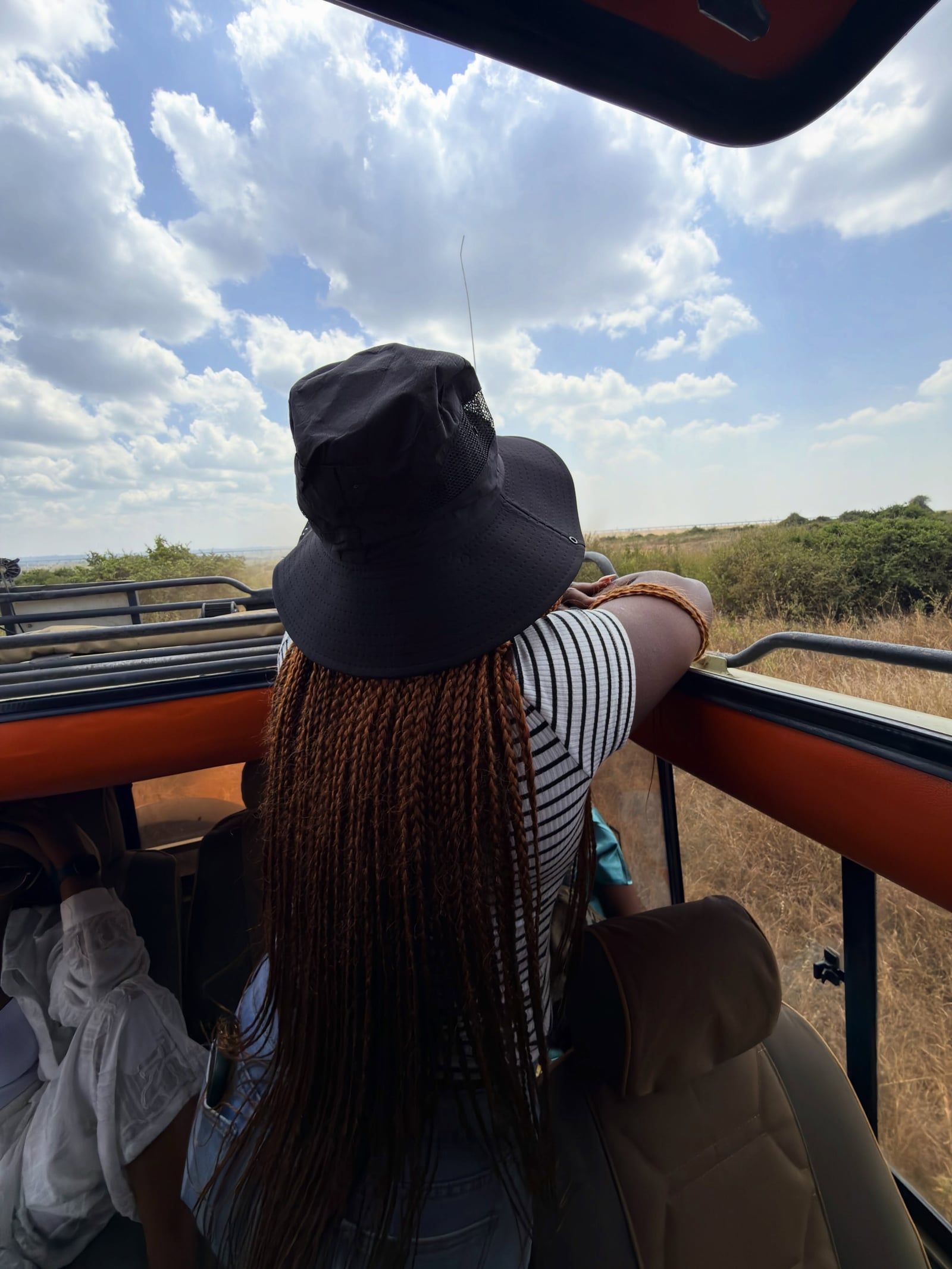
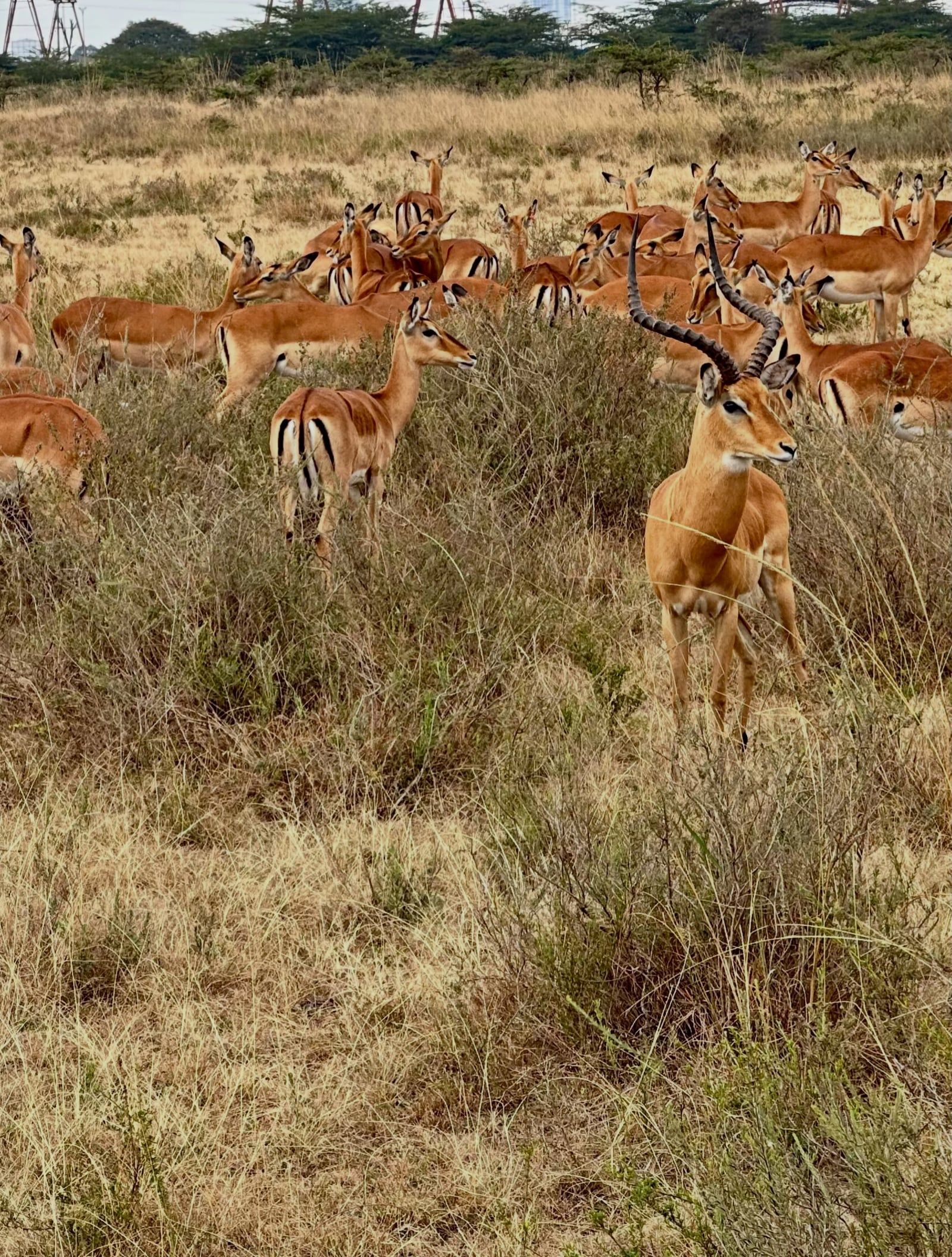
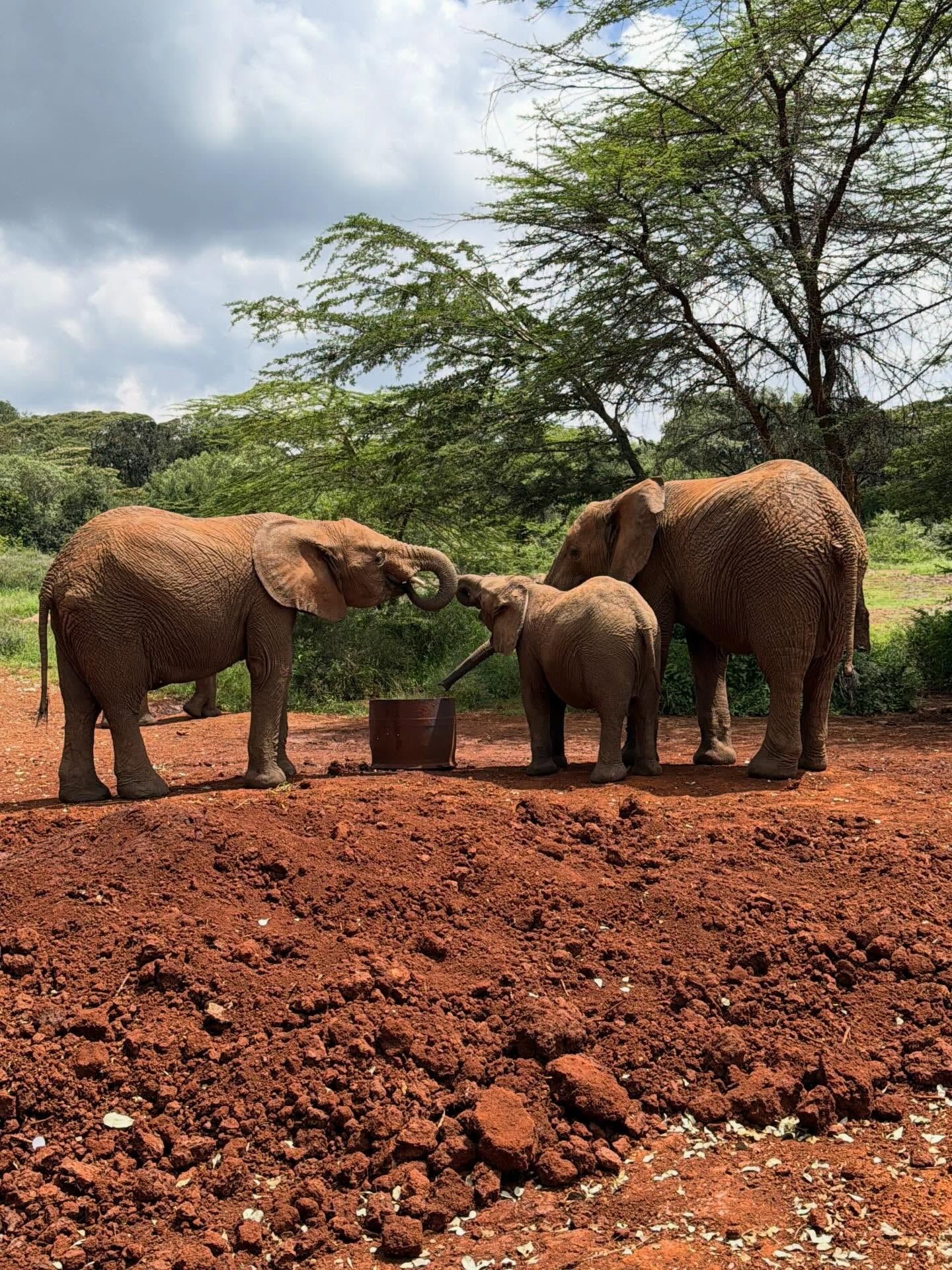
Nairobi National Park covers 117 square kilometers of savanna just seven kilometers from the city center. Game drives here track lions and rhinos against a backdrop of downtown skyscrapers. Most tours use open-roof 4x4s or customized vans and last about five hours.
The park holds around 100 black rhinos. You will likely see them grazing in the open plains or near the forest edges.
Over 40 lions live in the Kingfisher, Athi, and Mokoyet prides. Early morning drives often catch them resting in the grass before the heat sets in.
Glass office towers rise directly behind the acacia bush. The visual contrast between grazing wildlife and urban architecture exists nowhere else.
The David Sheldrick Wildlife Trust operates within the park boundaries. Visitors watch keepers bottle-feed rescued baby elephants for exactly one hour daily at 11:00 AM.
The unfenced southern edge connects to the Athi-Kapiti plains. Herds of wildebeest and zebra migrate across this river during the dry season.
Kenya destroyed stockpiled elephant ivory here to protest poaching. The monument now serves as a designated picnic area where you can exit the vehicle.
Booking a safari here requires choosing between a quick morning drive and a full-day circuit. Most operators handle the logistics, but park fees often require separate payment.
Half-day drives take four to five hours and focus entirely on the park. Full-day tours last up to eight hours and add stops at the Giraffe Centre and Karen Blixen Museum.
Operators strongly recommend the 6:00 AM pickup. Predators are most active in the cool early hours, and traffic on Langata Road is lighter then.
Many tour prices cover only the vehicle and guide. You must pay the USD 80 non-resident adult entrance fee directly to the Kenya Wildlife Service via their eCitizen portal or at the gate.
Standard tours use customized minivans with pop-up roofs. Upgrading to a 4x4 Land Cruiser costs more but handles muddy tracks better during the March to May rains.
The David Sheldrick Wildlife Trust requires strict timing. If your tour includes this elephant orphanage, the driver will structure the morning to arrive precisely for the 11:00 AM public viewing.
Standard safari vehicles have high steps. Visitors using wheelchairs need to request specialized vans with boarding ramps and securing points from private operators in advance.
The park sits less than five kilometers from Jomo Kenyatta International Airport. Many private tours offer airport pickup and drop-off for travelers on long layovers.
Swipe to see more
| Half-Day Game Drive | Full-Day Conservation Circuit | Private Premium Safari | |
|---|---|---|---|
| Duration | 4-5 hours | 8 hours | 4-6 hours |
| Best for | Early risers and short layovers | Families wanting animal interaction | Photographers and custom pacing |
| Includes | Hotel pickup, guide, bottled water | Giraffe Centre, Elephant Orphanage, transport | Private 4x4, Wi-Fi, custom routing |
| Starting Price | $37 | $45 | $80 |
Swipe to see more
The park gates open daily from 6:00 AM to 6:00 PM. Last entry is generally permitted around 5:15 PM.
Driving inside the park outside these hours is prohibited unless you are staying overnight at a lodge within the park boundaries. Early morning is the standard time for game drives.
The adjacent Nairobi Animal Orphanage and Nairobi Safari Walk operate on separate schedules, typically open from 9:00 AM to 5:30 PM.
The Main Gate sits on Langata Road, about 8 to 10 kilometers south of the Nairobi Central Business District. Ride-hailing apps like Uber and Bolt are the most direct way to reach the gate, taking 20 to 40 minutes and costing USD 12 to 20.
Budget travelers can take a matatu from the Railways Bus Station in the CBD toward Langata for about KES 600. This option takes up to 1.5 hours and works best if you only plan to visit the Safari Walk at the gate.
For actual game drives, booking a private safari vehicle with hotel pickup is the standard method, as self-guided walking is not permitted inside the park.
The long dry season from July to October offers the most reliable game viewing. Animals congregate around permanent water sources like dams and the Mbagathi River, making them easier to spot.
During the long rains from March to May, wildlife disperses across the broader Athi-Kapiti plains. The dirt tracks inside the park also become muddy and difficult for standard minivans to navigate.
Regardless of the month, early morning (6:00 AM) is always the best time of day to see lions and avoid the midday heat.
Nairobi National Park requires no long road transfers, making it easier on elderly visitors than remote reserves. The entire game drive is conducted seated inside a vehicle.
For wheelchair users, accessibility depends entirely on the vehicle. Standard 4x4s have high steps. You must book a specialized accessible vehicle with boarding ramps through a private tour operator.
Some KWS-managed public restroom areas inside the park include a wheelchair-accessible stall. The adjacent Nairobi Safari Walk features a raised wooden boardwalk that is barrier-free.
Basic public restrooms are located at the main gates and at designated picnic areas inside the park, such as the Ivory Burning Site and Impala Observation Point.
There are no food vendors inside the main game-viewing area. Tour operators usually provide bottled water, but you should bring your own snacks if taking a longer drive.
The KWS eCitizen portal handles all entrance fee payments. Cash is generally not accepted at the gates.
Non-resident adults pay USD 80. Kenya resident adults pay KES 1,350, and East Africa citizen adults pay KES 1,000. Vehicle entry fees range from KES 300 to KES 5,000 depending on the seating capacity.
Most tour prices cover only the vehicle, guide, and hotel transfers. You usually pay the USD 80 park entry fee separately via the KWS eCitizen online portal or at the gate.
Wild elephants do not live inside the park. However, the David Sheldrick Wildlife Trust operates an orphanage within the park boundaries where you can see rescued baby elephants for one hour daily.
Operators almost always schedule hotel pickups for 6:00 AM. This gets you through the gates right as they open, which is the best time to see lions before they hide in the shade.
Customized safari minivans handle the dirt tracks fine during the dry season (July to October). If you visit during the rainy months of March to May, a 4x4 Land Cruiser is highly recommended to handle the mud.
No self-guided walking is allowed in the main game-viewing areas. You can only exit your vehicle at specific designated spots like the Ivory Burning Site or Impala Observation Point.
The park fence is less than five kilometers from Jomo Kenyatta International Airport (JKIA). The drive takes 15 to 30 minutes, making the park a common stop for travelers on long layovers.
Drones are completely banned unless you have explicit written permits from KWS, the Ministry of Defence, and the Kenya Civil Aviation Authority. Rangers will confiscate unauthorized equipment.
Wear neutral, earth-toned clothing like khaki or green to avoid startling the animals. Bring a jacket or sweater, as open-roof vehicles get very cold during the 6:00 AM drives.
The park is home to over 40 lions split across three main prides. It is recognized as an official Lion Conservation Unit by the IUCN.
Browse verified tours with free cancellation and instant confirmation.
Find Tours


Wild lions hunt within sight of skyscrapers at Nairobi National Park. Over 50 black rhinos live here. It's Kenya's most reliable spot to see them. Spot buffalo, cheetahs, hyenas, and hippos near the water, though leopards usually stay hidden in the scrub. Look for ostriches in the dry grass. Elephants are the only Big Five species missing. Half-day drives depart at dawn or 2:00 PM. Most packages include hotel transfers and a driver-guide who tracks recent sightings via radio. There's free wifi in the vehicle, but the signal drops in the valleys. Keep your windows up on the dirt tracks to avoid the dust. Morning slots are best for catching lions on the move. Afternoon drives have better light for photos of rhinos against the city skyline once the morning haze clears. If you've got a six-hour layover, book the morning session.
For a full refund, cancel at least 24 hours before the scheduled departure time.
German, English, Italian, French, Spanish

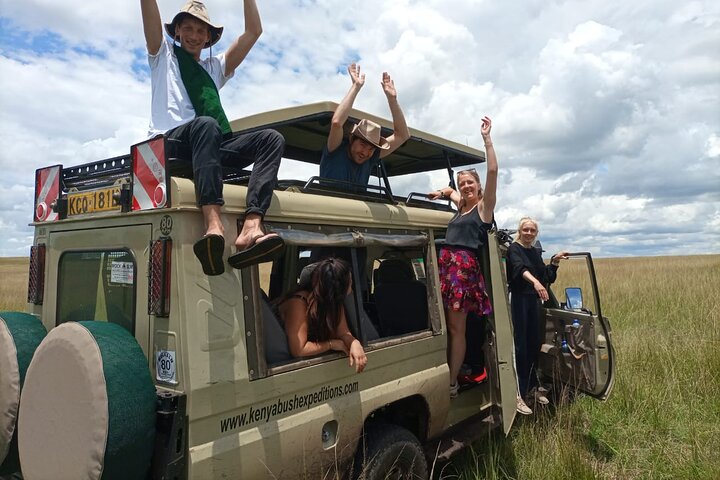

Nairobi National Park sits about 7 kilometers from the city's central business district. Drivers collect you from your hotel early in the morning to catch lions, hyenas, and cheetahs before the midday heat slows them down. It’s a quick transition from the lobby to the bush. You’ll see endangered black rhinos and giraffes moving through acacia scrub with the city's skyscrapers visible on the horizon. The tour vehicles are equipped with free WiFi for uploading photos of the buffalo and 400 recorded bird species in real-time. While you'll see many predators, remember that elephants aren't kept here because the 117-square-kilometer space is too small for their migration patterns. Traffic back into the city can be a slog after 10:00 AM, so aim for the earliest possible start.
For a full refund, cancel at least 24 hours before the scheduled departure time.
German, English, Italian, French, Spanish


Visit Nairobi National Park and the Giraffe Center in a private, customized safari van. The pop-up roof lets you stand to photograph rhinos. You'll also see Rothschild giraffes, known for their white socks, at the center. It's a full day of driving. Start at 6:00 AM if you want to see the park before the midday heat. This early option hits the national park first and the Giraffe Center second. If you prefer a later start, you'll do the reverse — just let us know after booking. The guides navigate the city traffic and know where to find the park's rhinos. They also share local history as you drive. Request the early start when booking if you're serious about wildlife.
For a full refund, cancel at least 24 hours before the scheduled departure time.
English


Lions and rhinos live seven kilometers from the city's skyscrapers in Nairobi National Park. On a guided game drive, you'll explore 117 square kilometers of savanna containing over 100 mammal species. You'll spot black rhinos and some of the park's 40 lions against a backdrop of glass office towers. Go early. The 6:00 AM gate opening is when predators are most active; by noon, they've usually retreated into the scrub. The Giraffe Centre houses a breeding herd of Rothschild giraffes on a 60-acre sanctuary in Lang'ata. You'll stand on a raised wooden platform to feed them pellets at eye level. It's one of the few places to see this subspecies, which nearly went extinct in the 1970s. Expect some slime. You'll need to wash your hands at the stations provided afterward — giraffe saliva is thick and sticky (and gets everywhere). Skip the gift shop if you're in a rush.
For a full refund, cancel at least 24 hours before the scheduled departure time.
English, French, Spanish


Nairobi National Park is the only protected wildlife area in the world located inside a capital city. You'll spend the morning tracking lions, rhinos, and buffalo against a backdrop of city skyscrapers. Early starts are standard to catch the animals before they retreat from the sun. It's a jarring, impressive view. The Sheldrick Wildlife Trust opens its elephant nursery to the public from 11:00 am to 12:00 pm daily. Only 200 visitors are permitted for this hour, so we must verify availability before you book. You'll watch the orphans feed and play before moving to the Giraffe Centre. There, you can hand-feed Rothschild’s giraffes from a raised wooden platform. Watch out for their long, sticky tongues. Lunch is an independent stop at the Love Birds gift shops. You'll cover the cost of your own meal here. The day finishes with a drive back to your hotel for an afternoon rest. If you're visiting during the rainy season, the park tracks can get slippery—wear shoes with decent grip.
For a full refund, cancel at least 24 hours before the scheduled departure time.
English


Nairobi National Park, the Sheldrick Wildlife Trust, the Giraffe Centre, and the Karen Blixen Museum fit into this single-day circuit. Pickups start at 6:00 AM to catch the park's lions and rhinos before the midday heat. You'll spend about four hours on the tracks where the city's skyscrapers form a backdrop to the savanna. Traffic in Nairobi is brutal, but the driver handles the timing and shares local history between stops. It's a lot of sitting. Keepers bottle-feed orphaned calves at the Sheldrick Wildlife Trust during its strictly limited 11:00 AM to noon public window. You'll stand behind a rope to watch the elephants play in mud baths and interact with their handlers. Next is the Giraffe Centre, where you can hand-feed Rothschild giraffes from a raised wooden platform. Their tongues are long and purple, with a texture like sandpaper. The 1912 farmhouse at the Karen Blixen Museum still contains the original furniture used by the 'Out of Africa' author. It's the final stop. Lunch isn't included, so ask the driver to stop at a cafe like Tamambo near the museum grounds. Book this for a Tuesday or Wednesday to avoid the school groups that crowd the giraffe platforms on weekends.
For a full refund, cancel at least 24 hours before the scheduled departure time.
English


Nairobi National Park is the only place on earth where wild lions and black rhinos live within a capital city's limits. Open grass plains and thick acacia bush cover the park. Skyscrapers rise directly behind the giraffes. Over 400 bird species inhabit the area, alongside leopards, hippos, crocodiles, and buffaloes. It's a strange sight. The drive stops at a viewpoint for photos of the plains and the distant city center. Rhinos usually stay in the scrubby bush rather than the open grass. Traffic at the park gate gets heavy during rush hour, so take the earliest morning slot available to avoid the wait.
For a full refund, cancel at least 24 hours before the scheduled departure time.
English


A four-hour game drive through Nairobi National Park tracks lions, rhinos, giraffes, and zebras. You'll get hotel pickup and drop-off. The vehicle is a specialized safari van with a driver who acts as your guide. Keep your window up if you're near the baboons. Most tours start at 6:00 AM. This is when the animals are active before the midday heat. The drive crosses open grass plains and thick acacia bush. Bring a light jacket. The morning air is sharp until the sun clears the horizon. Traffic is unpredictable, so don't book a tight flight for the afternoon (even if the airport looks close on the map). If you're hoping for rhino sightings, the western forest edge is your best bet. Pack some water; the dust gets thick from July to October.
For a full refund, cancel at least 24 hours before the scheduled departure time.
English


Nairobi National Park sits 7 kilometers from the city's skyscrapers. Lions, leopards, and giraffes live on 117 square kilometers of grass plains and acacia bush. It’s the only place globally where wild animals live this close to a capital city. Game drives usually start at 6:00 AM to catch predators before the heat. Expect dust on the tracks and the smell of dry grass. Zebras often cross the road right in front of the vehicle. Traffic near the park gate can be a mess by mid-morning, so leave early. The park is a stronghold for rhino conservation with a population of over 50 black rhinos. Book a 4x4 with a pop-up roof for the best views. It's the right call if you've only got half a day in town.
For a full refund, cancel at least 24 hours before the scheduled departure time.
English


Nairobi National Park is seven kilometers from the city center. A four-hour safari covers the main tracks (mostly dirt roads) where lions, cheetahs, hyenas, and buffaloes hunt or graze. You'll see four of the Big Five, including the endangered black rhino. Only elephants are missing from this park. You can see rhinos grazing with skyscrapers in the background. Over 400 bird species and large herds of giraffe live here. Since it's so close to town, you don't need a hotel booking or a long drive to reach the animals. Early morning is the best time to go. Traffic jams at the gate often start by 7:30 AM, so leave your hotel by 6:00 AM. That's the best way to beat the heat.
For a full refund, cancel at least 24 hours before the scheduled departure time.
English