About All ToursSafari ToursPrivate ToursHalf Day ToursElephant Orphanage Tours Directions Hours & Fees Guides
Find Tours 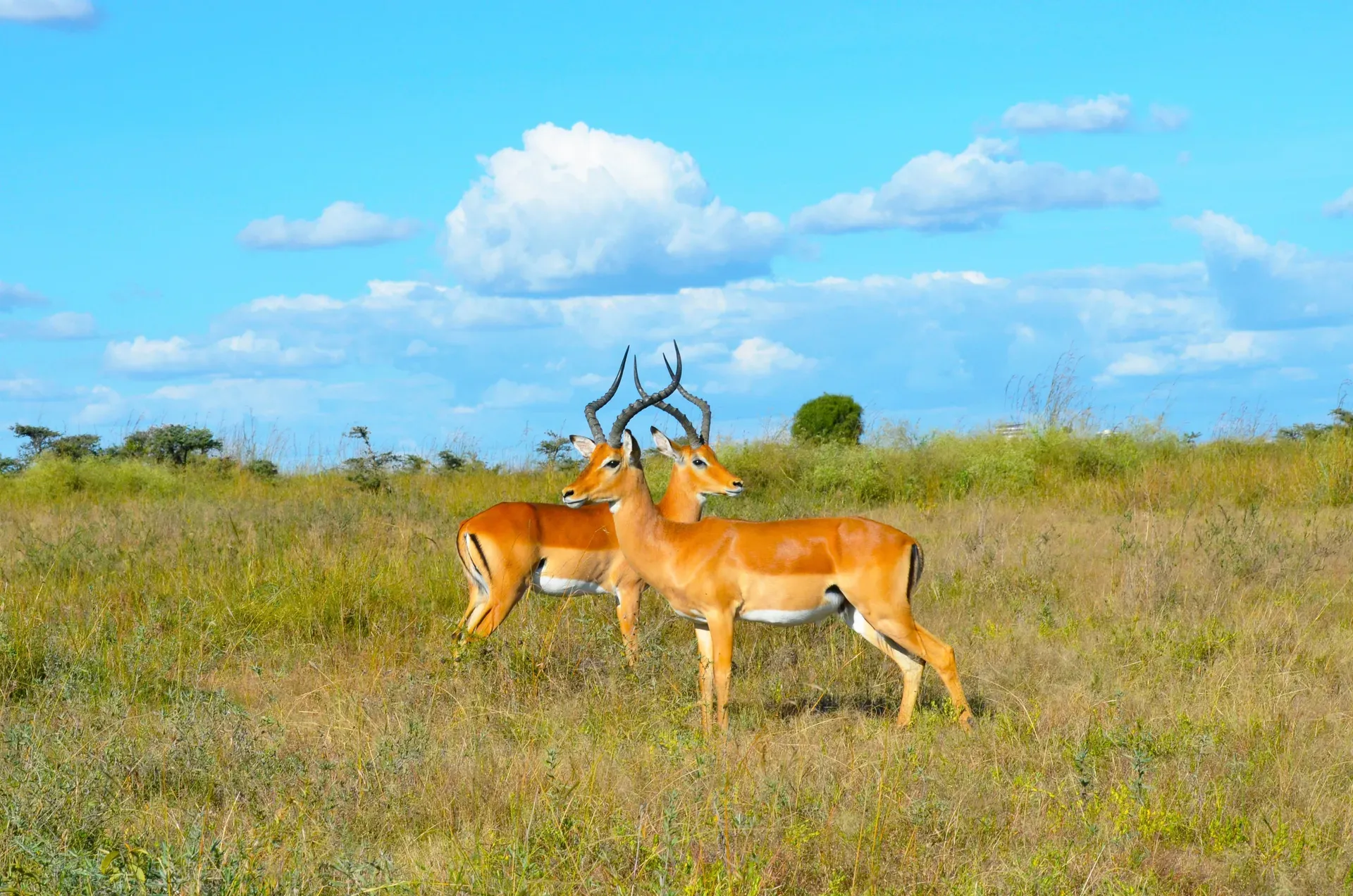
Combine a classic wildlife safari with a visit to rescued baby elephants on a single day trip. These guided tours take you from tracking lions and rhinos in Nairobi National Park to watching feeding time at the Sheldrick Wildlife Trust.
 Free Cancellation
 Nairobi National Park, Elephant Orphanage and Giraffe Centre
 Free Cancellation
 Track lions in a city-center park, visit orphaned elephants, and feed Rothschild's giraffes.
 Free Cancellation
 Feed Rothschild giraffes and visit the Sheldrick elephant orphans before a game drive in Nairobi National Park.
 Free Cancellation
 See lions near skyscrapers, bottle-feed orphaned elephants, and hand-feed giraffes on this three-stop Nairobi tour.
 Free Cancellation
 Watch lions and rhinos hunt and graze while Nairobi’s skyscrapers tower over the park’s northern fence.
 Free Cancellation
 Track lions in Nairobi National Park and feed giraffes on this private tour for layovers over six hours.
 Free Cancellation
 See lions in the national park, feed giraffes, and visit the elephant nursery on a guided Nairobi day trip.
 Free Cancellation
 Track lions in Nairobi National Park and hand-feed endangered Rothschild giraffes on this full-day city tour.
 Free Cancellation
 Track lions in Nairobi National Park and visit the Giraffe Center on this private half-day wildlife circuit.
 Free Cancellation
 Spot lions by the city skyline, visit the Sheldrick elephant orphanage, and see giraffes from the Giraffe Center.
Read what travelers share about their experience visiting Nairobi National Park — from practical tips to personal highlights.
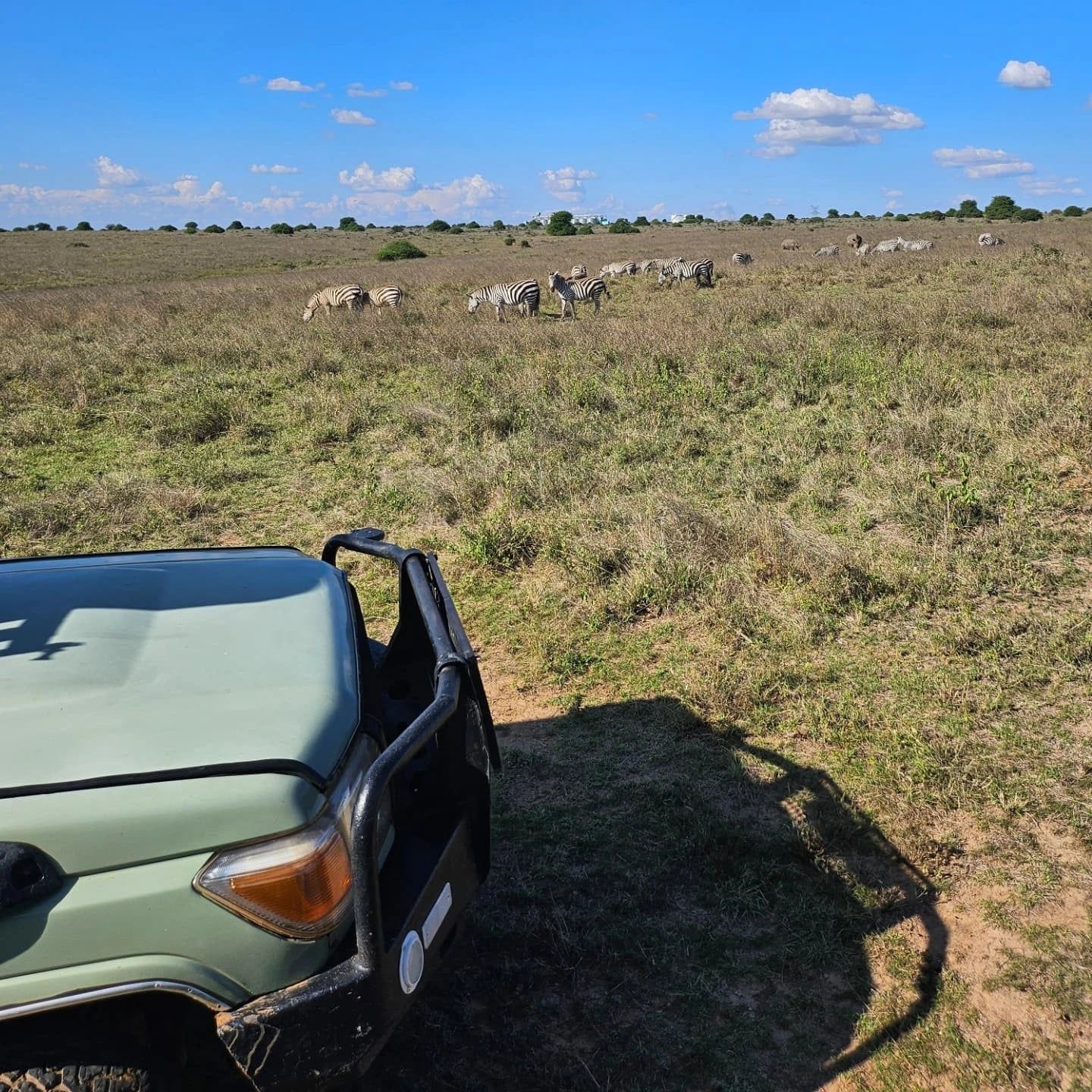
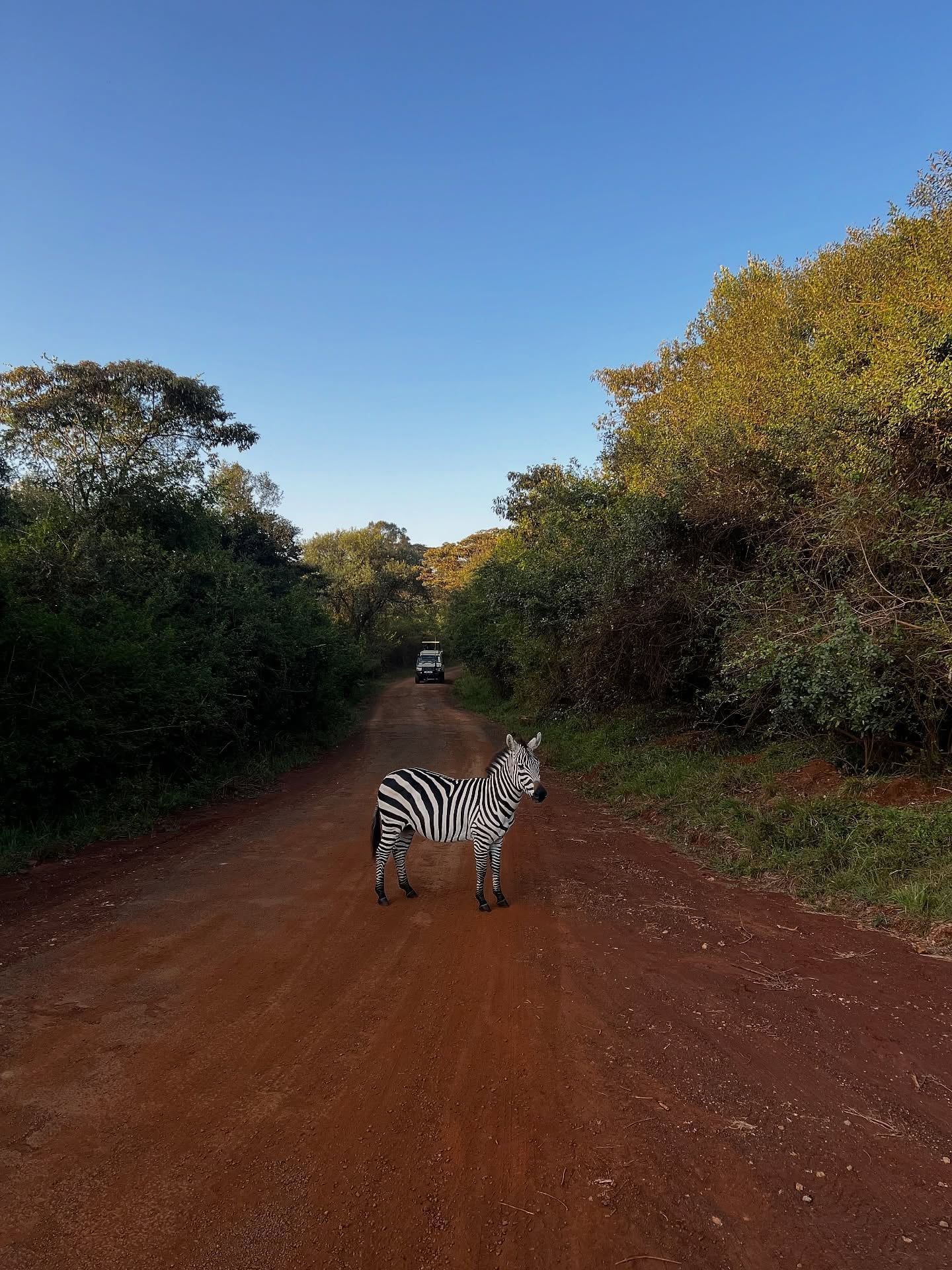
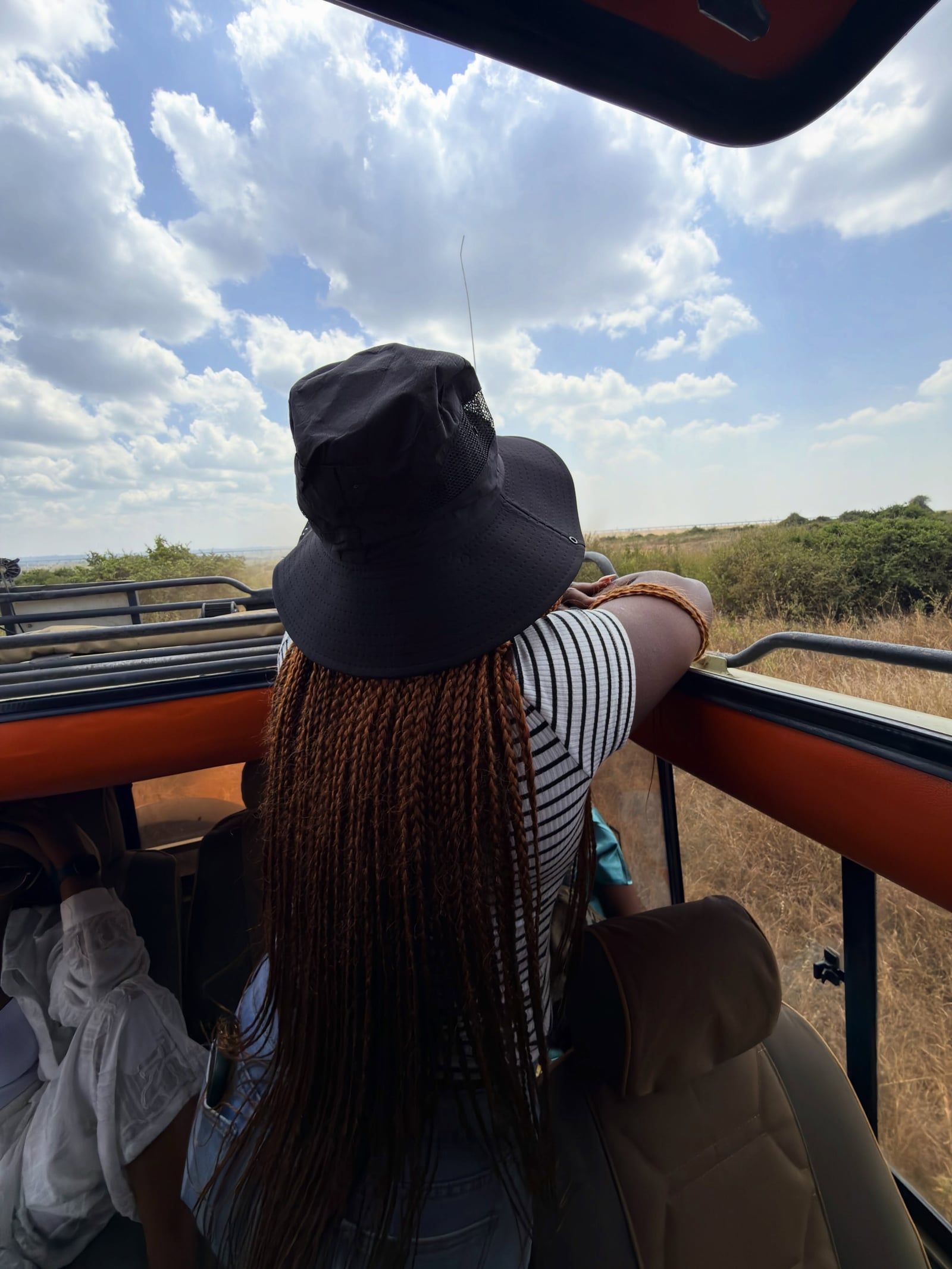
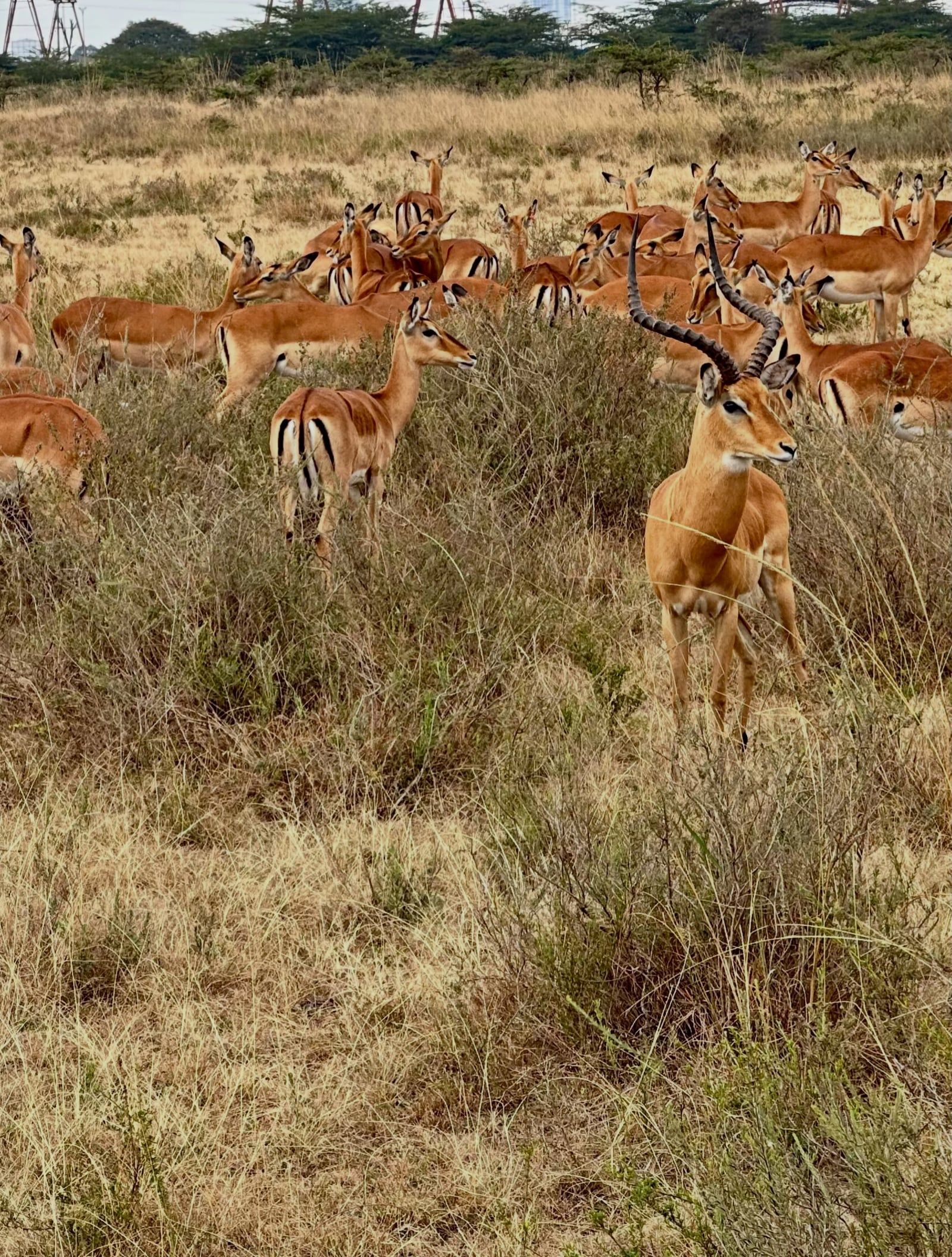
Nairobi National Park places 117 square kilometers of open savanna directly against the city's southern fence. You will track lions and black rhinos in the early morning light while office towers reflect the sunrise just a few kilometers away. A standard tour combines a dawn game drive with a timed visit to the adjacent animal sanctuaries.
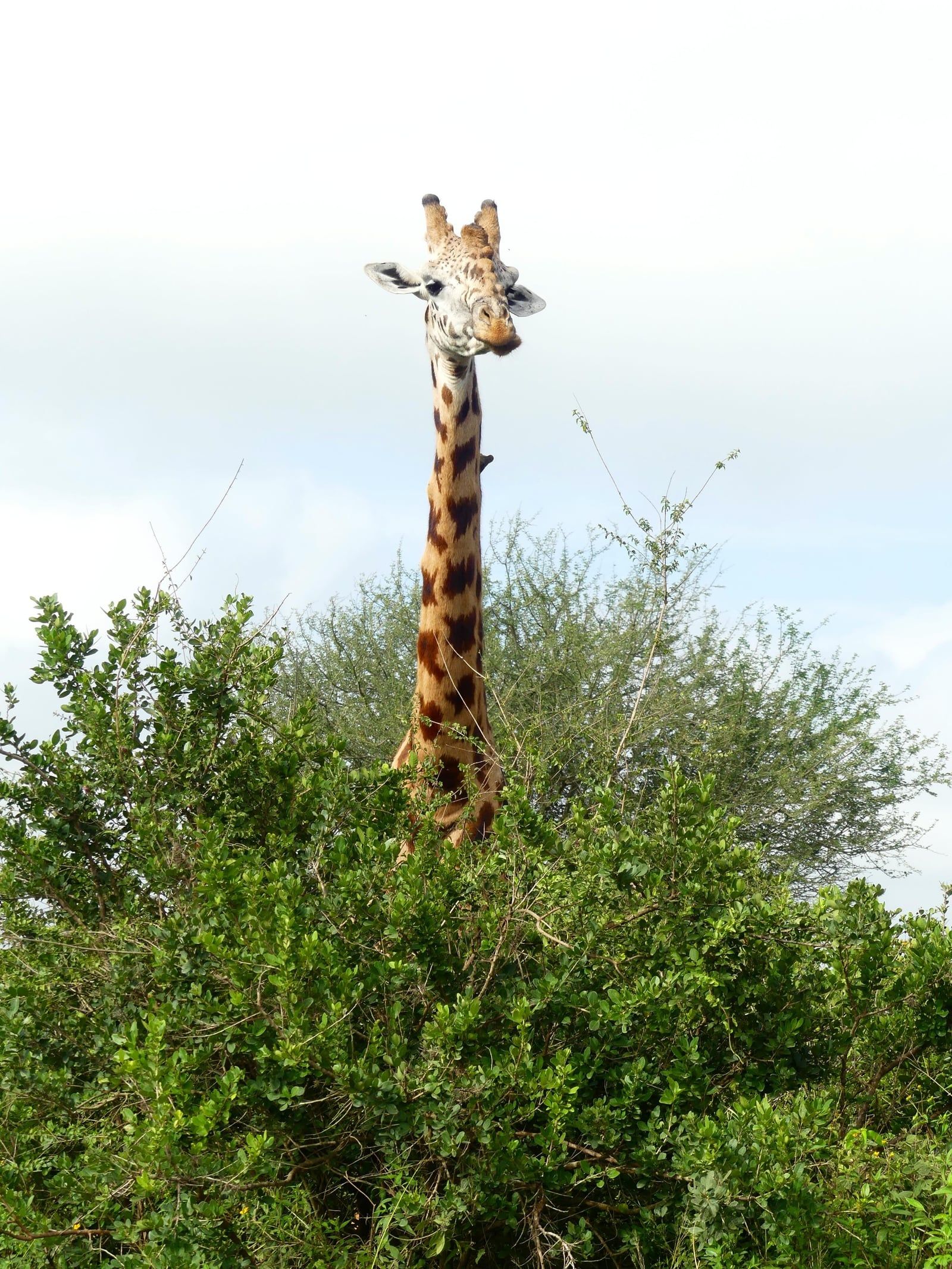
Pop-up roof vans and open-sided 4x4s navigate dirt tracks through acacia bush and open plains. The northern boundary provides sightlines where grazing zebras and giraffes align directly with Nairobi's modern skyscrapers.
The park holds around 100 black rhinos and serves as one of Kenya's primary sanctuaries for the species. Drivers communicate over radio to locate them near the forest edges during the early morning hours.
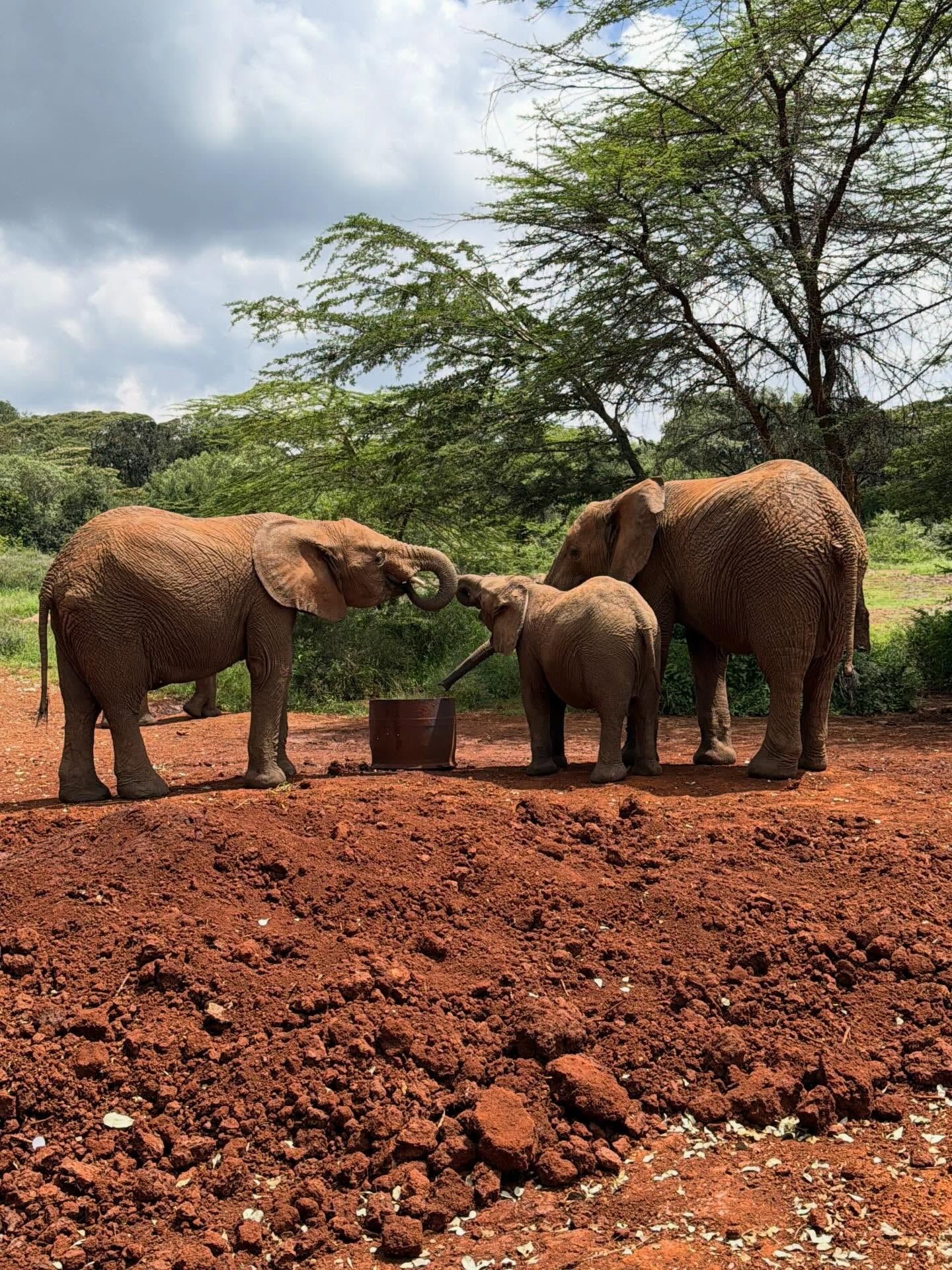
The David Sheldrick Wildlife Trust opens to the public for exactly one hour daily at 11:00 AM. Keepers bottle-feed rescued baby elephants and supervise their playtime in a large mud wallow.
Over 40 lions live within the park boundaries, divided into three main groups including the Kingfisher and Athi prides. Early 6:00 AM starts offer the highest probability of catching them active before they retreat into the shade.
The nearby Giraffe Centre features an elevated wooden platform putting visitors at head-height with endangered Rothschild giraffes. You hand-feed them specialized pellets while learning about the breeding program.
This historic monument marks the spot where Kenya incinerated massive stockpiles of poached elephant tusks. It now functions as a designated picnic area where you can safely exit the vehicle.
Tour operators handle the logistics of combining three separate wildlife sites into a single morning. You need to verify exactly which entry fees are covered in your base rate.
Most base tour prices cover transportation and the guide, but exclude the USD 80 non-resident park entry fee. You pay this separately via the government's eCitizen 'KWSPay' portal. Ask your operator if they handle this digital payment for you, as cash is rarely accepted at the gate.
Book a tour that picks you up by 5:30 AM. Traffic on Langata Road builds rapidly, and arriving at the gate for the 6:00 AM opening is the only reliable way to see predators hunting. Late morning game drives yield far fewer sightings.
The Sheldrick Elephant Orphanage strictly operates its public viewing from 11:00 AM to 12:00 PM. Full-day combo tours are built entirely around hitting this specific one-hour window after the morning game drive.
Tours use either standard minivans with pop-up roofs or customized 4x4 Land Cruisers. Land Cruisers handle the muddy tracks better during the March to May rains and provide unobstructed side views for photography.
The park's eastern fence sits less than 5 kilometers from the runway at Jomo Kenyatta International Airport. Many private operators offer direct airport pickups for travelers with layovers exceeding six hours.
Standard safari vehicles have high steps and narrow doors. Wheelchair users must book specialized private tours equipped with boarding ramps and floor tie-downs, as regular group vans cannot accommodate mobility devices.
Swipe to see more
| Half-Day Game Drive | Full-Day Triple Combo | Private Airport Layover Tour | |
|---|---|---|---|
| Duration | 4-5 hours | 7-8 hours | 6 hours |
| Vehicle Type | Pop-up Van or 4x4 | 4x4 Safari Cruiser | Private Van |
| Best for | Layovers and tight schedules | First-time visitors wanting the full circuit | Transit passengers at JKIA |
| Price from | $45 | $95 | $80 |
Swipe to see more
Nairobi National Park gates open daily at 6:00 AM and close at 6:00 PM. Last entry is permitted around 5:15 PM. Driving inside the park outside of these hours is strictly prohibited unless you hold a reservation at an interior lodge.
The David Sheldrick Wildlife Trust (elephant orphanage) operates on a highly restricted schedule. Public viewing happens exactly once per day from 11:00 AM to 12:00 PM.
The adjacent Nairobi Safari Walk and Animal Orphanage run on separate hours, generally opening at 9:00 AM and closing by 5:30 PM.
The park's Main Gate sits on Langata Road, roughly 8 to 10 kilometers south of Nairobi's Central Business District. Ride-hailing apps like Uber and Bolt are the most practical way to reach the gate independently, costing USD 12-20 and taking 20-40 minutes depending on traffic.
Budget travelers can take a matatu from the Railways Bus Station in the CBD for about KES 600. This takes up to 1.5 hours and only drops you at the gate — you still need a vehicle to actually enter the park.
For airport layovers, the park is incredibly close to Jomo Kenyatta International Airport (JKIA). A road transfer from the terminals to the eastern gate takes 15 to 30 minutes.
The long dry season from July to October provides the best game-viewing conditions. Wildlife congregates around permanent water sources like the Mbagathi River and man-made dams, making animals easier to locate. The sparse vegetation also improves visibility.
March through May brings the long rains. Dirt tracks inside the park turn into thick mud, often requiring a heavy 4x4 to navigate. Animals disperse widely across the Athi-Kapiti plains during these months, lowering the concentration of wildlife inside the park boundaries.
Regardless of the month, the 6:00 AM to 10:00 AM window is the optimal time of day. Temperatures are cool, predators are active, and the light is ideal for photography.
Nairobi National Park is highly accessible for elderly visitors because the entire safari experience happens seated inside a vehicle. There are no long, punishing road transfers required to reach the park from the city.
For wheelchair users, the primary barrier is the safari vehicle itself. Standard 4x4s and minivans have high ground clearance and steep entry steps. You must book through an operator that provides modified vehicles with ramps and secure tie-downs.
Some KWS-managed picnic sites feature accessible restroom stalls. Visitors who want a barrier-free walking experience should visit the adjacent Nairobi Safari Walk, which uses a raised wooden boardwalk to navigate its recreated habitats.
Park entry fees are processed digitally. Cash is generally not accepted at the gates. You must pay via the KWS eCitizen 'KWSPay' online portal, so setting up an account or having your tour operator handle the transaction in advance saves significant time.
Restrooms are located at the main gates and at designated picnic areas inside the park, such as the Impala Observation Point and the Ivory Burning Site.
Food and drink are not sold inside the park itself. You must bring your own bottled water and snacks. Single-use plastics, including water bottles and carrier bags, are banned under Kenyan law and will be confiscated at the gate.
Non-resident adults pay USD 80, while Kenya resident adults pay KES 1,350 and East Africa citizens pay KES 1,000. There is also a separate vehicle entry fee ranging from KES 300 to KES 5,000 depending on the seating capacity of the car.
Most tour operators exclude the park entry fees from their base price to keep the advertised rate low. You usually pay the USD 80 fee directly to the Kenya Wildlife Service via their eCitizen digital portal.
There are no wild elephants roaming freely inside Nairobi National Park. You can only see elephants by visiting the David Sheldrick Wildlife Trust orphanage, which is located within the park's boundaries but operates as a separate enclosed facility.
The David Sheldrick Wildlife Trust is open to the public for exactly one hour per day, from 11:00 AM to 12:00 PM. You must arrive during this window to watch the keepers feed and bathe the orphaned elephants.
The park is safe provided you follow the rules and remain inside your vehicle with the doors closed. The area contains free-roaming lions, leopards, and buffalo. Exiting the vehicle is only permitted at designated, secure picnic sites.
No, walking safaris are not permitted in the main game-viewing areas. If you want to view wildlife on foot, you should visit the adjacent Nairobi Safari Walk, which features a raised wooden boardwalk through simulated habitats.
The dry season from July to October offers the best game viewing. Animals gather around the Mbagathi River and permanent dams, making them easier to spot. During the rainy season (March to May), the dirt roads turn muddy and wildlife disperses.
Yes. The park boundary is less than 5 kilometers from Jomo Kenyatta International Airport. Many tour companies offer 4- to 6-hour private transit tours that pick you up directly from the arrivals terminal.
Drones are strictly banned across all Kenyan national parks. You cannot fly one without explicit written approval from the Kenya Wildlife Service, the Ministry of Defence, and the civil aviation authority.
Wear neutral, earth-toned clothing like khaki or green to avoid startling the animals. Dress in layers, as the 6:00 AM starts are quite cold, but temperatures rise rapidly by mid-morning.
Browse verified tours with free cancellation and instant confirmation.
Find Tours


Our Nairobi National Park and Giraffe Centre tour stands out for its seamless combination of urban proximity and rich wildlife experiences. Unlike other safaris, this tour takes you into a thriving wildlife sanctuary just a short drive from the city Centre, offering a perfect escape into the wild without the need for long travel times. You'll embark on a guided game drive to see lions, rhinos, giraffes, zebras, and more in their natural habitat. Afterward, you'll visit the Giraffe Centre, where you'll have the rare opportunity to interact with the endangered Rothschild giraffes and learn about important conservation efforts. Perfect for travelers who want to experience the best of Kenya's wildlife and support conservation initiatives while staying close to Nairobi.
For a full refund, cancel at least 24 hours before the scheduled departure time.
English, French, Spanish


Nairobi National Park sits inside the city limits, separated from the skyscrapers by a single fence. You'll spend the morning tracking lions, rhinos, and buffalo across 117 square kilometers of open grass and forest. It's a surreal sight. Traffic can be a mess, so the early start is mandatory. The Sheldrick Wildlife Trust nursery hosts orphaned elephants for their midday feeding between 11 am and 12 noon. Entry is strictly limited to 200 people, so we must confirm your slot before the tour starts. You'll see the calves run for their giant milk bottles and play in the red dust. At the nearby Giraffe Centre, you can feed Rothschild’s giraffes from a raised platform. Watch out for their tongues—they're long, purple, and very sticky. Lunch is at the Love Birds gift shop at your own expense. It’s a functional stop, though the menu is standard. After that, the driver returns you to your hotel for a nap. Bring a light jacket for the early morning park drive.
For a full refund, cancel at least 24 hours before the scheduled departure time.
English


You'll hand-feed Rothschild giraffes from a raised wooden platform at the Giraffe Center. These pellets are the only way to get close enough to see the distinct coat patterns that separate this subspecies from the Masai or Reticulated varieties found elsewhere in Kenya. The center has charts showing the distribution of these three species across the country. It gets busy by mid-morning. Go early or expect a wait. The Sheldrick Wildlife Trust opens its gates for exactly one hour at 11:00 AM for the public milk feeding. Keepers bring out the calves in two groups, bottle-feeding them while explaining how each elephant ended up orphaned—usually due to poaching or drought. You'll stand at the edge of a dirt ring where the elephants often spray mud or brush past the rope. It's a messy, loud hour. You must book these tickets weeks in advance as they sell out daily. Nairobi National Park is the only park on earth where you'll see rhinos and lions against a backdrop of skyscrapers. It contains over 100 mammal species within its 117 square kilometers. The black rhino is the easiest of the "Big Five" to find here, often grazing near the forest edges. Lions are trickier. They blend into the yellow grass, so keep your eyes on the thickets near the waterholes.
For a full refund, cancel at least 24 hours before the scheduled departure time.
English


This day trip visits Nairobi National Park, the Sheldrick Wildlife Trust, and the Giraffe Centre. Lions and black rhinos roam within 10 kilometers of the city’s skyscrapers. Most drives start at 6:00 AM to catch predators before the heat sets in. You’ll spend about four hours tracking wildlife across the grass plains. It's a surreal view. The Sheldrick Wildlife Trust opens its gates for exactly one hour starting at 11:00 AM. You’ll stand behind a rope as keepers bottle-feed orphaned calves and explain their rescue stories. You have to book these tickets weeks in advance because they sell out daily. The Giraffe Centre lets you hand-feed pellets to endangered Rothschild giraffes from a raised wooden platform. Their tongues are long and rough. Bring hand sanitizer for after the feeding.
For a full refund, cancel at least 24 hours before the scheduled departure time.
English


Nairobi National Park sits seven kilometers from the city center. This 117-square-kilometer reserve is the only wilderness of its kind inside a capital city. You'll see a giraffe's neck silhouetted against the skyscrapers of the Upper Hill district. It's a strange sight. You'll find four of the Big Five—lion, leopard, buffalo, and rhino—roaming across the open grass plains. Only elephants are missing. Most drives last four hours and start at 6:00 AM to catch the animals before the midday heat. Early morning is also your best chance to spot the endangered black rhinos near the whistling thorn bushes. Traffic at the Lang'ata Road gate gets heavy after 9:00 AM. Don't be late for the pickup. If it rained the night before, stick to the main murram roads to avoid getting stuck in the black cotton soil. Ask for a vehicle with a pop-up roof.
For a full refund, cancel at least 24 hours before the scheduled departure time.
English


This private tour covers a game drive in Nairobi National Park, giraffe feeding at the Giraffe Center, and a sit-down lunch. It's built for travelers with at least six hours between flights or those staying in the city. We pick you up directly from Jomo Kenyatta International Airport or your hotel. The park sits just 7km from the city's skyscrapers. You'll likely see rhinos, lions, and buffalo against a backdrop of office towers. It's a strange view. You'll spend roughly four hours on the game drive before heading to the Giraffe Center. You stand on a raised wooden platform to hand-feed pellets to Rothschild giraffes—their tongues are grey, sandpaper-textured, and nearly 50cm long. Lunch follows at a nearby restaurant. If your layover is under seven hours, skip the sit-down meal to account for the gridlock on Mombasa Road. Traffic there is a mess. Go for the 6:00 AM start. Animals are more active in the cool morning air than in the afternoon heat. You'll need an eCitizen account to pay the park entry fees, as the gates don't accept cash. Morning is the best time to spot the lions.
For a full refund, cancel at least 24 hours before the scheduled departure time.
English


Black rhinos and lions roam within 7 kilometers of Nairobi's skyscrapers inside the national park. A single fence separates the wildlife from the city's office towers. Traffic into the park gets heavy after 8:00 AM, so leaving early is the only way to catch predators before they hide from the heat. It's dusty. Bring a scarf. Baby elephants are bottle-fed at the Sheldrick Wildlife Trust daily at 11:00 AM. You'll stand behind a rope for an hour to watch the keepers feed dozens of calves. It's crowded. Afterward, the Giraffe Centre lets you stand on a wooden platform to hand-feed pellets to Rothschild's giraffes—their tongues are long and purple. A driver handles the 50-kilometer circuit through Nairobi's most congested roundabouts. You won't have to fight the aggressive matatu buses or look for unmarked turns. Book the Sheldrick tickets weeks in advance because they sell out. If the park is too muddy after rain, lions stay in the thickets and you won't see much.
For a full refund, cancel at least 24 hours before the scheduled departure time.
English, French, Spanish


Lions and rhinos roam the plains of Nairobi National Park under the city skyline. You'll spend the morning tracking wildlife from a van before heading to a local restaurant for lunch. Don't expect a quiet wilderness. You'll hear the distant hum of traffic while watching zebras graze. The afternoon starts at the Kobe beads factory where local women hand-form and paint ceramic beads. You can watch the entire process from the raw clay to the final firing in the kilns. It's a social enterprise, so your purchases directly support the workers. The final stop is the Giraffe Center, where the endangered Rothschild subspecies lives. You'll stand on a wooden observation deck to hand-feed them pellets. Their tongues are roughly 45 centimeters long and quite slimy. Bring hand sanitizer for after the encounter.
For a full refund, cancel at least 24 hours before the scheduled departure time.
English


This private tour covers Nairobi National Park and the Giraffe Center in about five hours. You'll track lions, zebras, giraffes, and rhinos from a private vehicle while the city's skyscrapers sit on the horizon. Guides track prides across the 117-square-kilometer park. Sightings depend on the day's movement. It's the only place on earth where you can see a rhino and a high-rise in the same frame. The Sheldrick Wildlife Trust opens its elephant nursery to the public for exactly one hour starting at 11 am. You'll watch keepers bottle-feed orphaned calves from the mud-pit perimeter and hear their rescue stories. Entry is strictly capped at 200 visitors a day, so message us before booking to confirm capacity. It's usually the first part of the itinerary to sell out. At the Giraffe Center, you'll stand on a raised wooden platform to hand-feed pellets to Rothschild's giraffes. Their 18-inch tongues are sandpapery and dark purple. Watch your fingers. Heavy rain makes the park tracks muddy and slow. Wear shoes you don't mind getting dusty.
For a full refund, cancel at least 24 hours before the scheduled departure time.
English


Game drives in Nairobi National Park start at dawn to catch lions and rhinos before the midday heat. The park sits 7 km from the city center, which means you'll see zebras and giraffes grazing against a backdrop of skyscrapers. It's the only place where a wild black rhino might cross the road in view of an office block. Go early. Traffic near the main gate stalls after 8:00 AM. The Sheldrick Wildlife Trust opens to the public for exactly one hour starting at 11:00 AM. Keepers bring out orphaned elephants in two groups to bottle-feed them and explain how they're eventually returned to the wild. It's crowded. You'll stand behind a rope while the calves play in mud and dust. Afterward, head to the Giraffe Center to see the animals from a wooden platform that puts you at eye level with them. Book the elephant session at least two weeks out or you won't get in.
For a full refund, cancel at least 24 hours before the scheduled departure time.
English